
One night is possible and needlessly thin
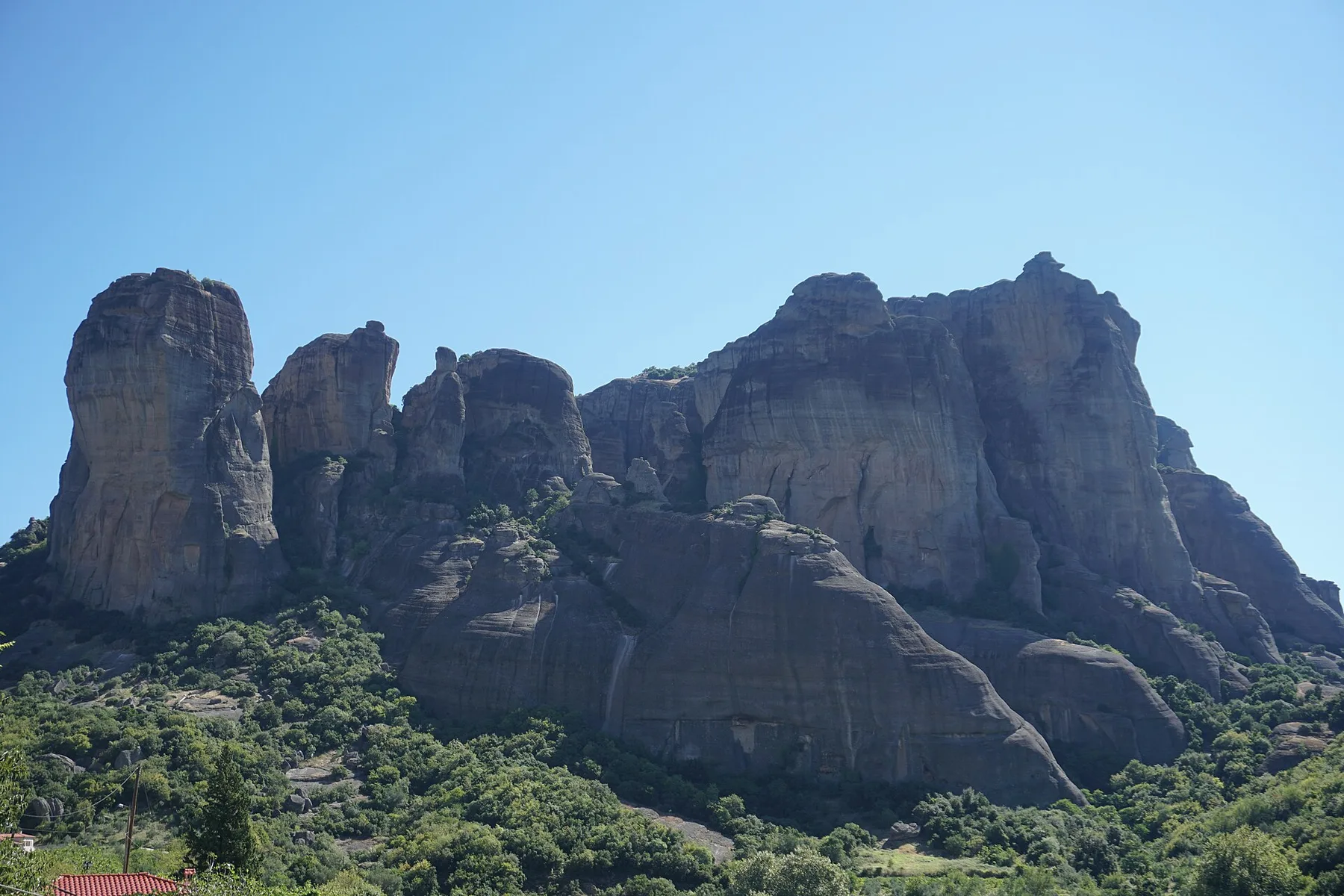
Meteora’s sandstone pillars are so visually immediate that a coach-window visit can feel complete: two monasteries, one sunset, move on. Stay for two full days and the landscape changes category. The rocks become routes and habitats rather than backdrop. Monastic history begins with hermits in small cavities, not only large complexes on summits. Kalambaka and Kastraki emerge as communities instead of service points.
Three nights is ideal for travellers who walk, photograph or care about religious history. It also builds in weather margin. Rain can make the cliffs atmospheric and paths unsafe at the same time; low cloud may hide the view while deepening attention to frescoes and museums.
Choose monasteries; do not collect them
Six active monasteries are generally accessible to visitors, each with rotating closing days and seasonal hours. Trying to enter every one compresses religious communities into a scorecard and produces a day of stairs, car parks and repeated ticket lines.
Select two based on interest and mobility. The Great Meteoron Monastery provides the fullest historical collection, with a frescoed church, refectory, old kitchen and museum material. Another smaller community can then offer contrast. Verify the current official schedule immediately before the visit; old timetables circulate for years online.
Dress requirements apply to everyone and loan garments may be provided, but arriving prepared is more respectful. Keep voices low, follow photography restrictions and let worshippers pass. Steps are substantial, sometimes polished and exposed to weather. A monastery that is technically open may still be unsuitable for a traveller’s knees or balance.
Walk back to the beginning of the monastic story
Before organised monasteries occupied the summits, ascetics used caves and small shelters in the rock. A guided walk through the Hermit Caves of Badovas restores that human scale. Tiny chapels and former hermitages sit beneath towering walls, making solitude and physical difficulty easier to comprehend.
Use a reputable local guide. Paths, private boundaries and sensitive religious spaces require judgement, and some places should be observed rather than entered. The route is not an “abandoned Meteora” alternative; it remains part of a sacred and inhabited landscape.
Kalambaka contains older layers than its hotel strip
Above the modern centre, the Byzantine Church of Kalambaka occupies the old settlement and incorporates architectural material from earlier periods. Its successive layers connect ancient Aiginion, Byzantine worship and the town below the monasteries.
Check access and visit with context; a specialist guide can make reused stone and architectural changes intelligible. Then descend through older lanes on foot. Kalambaka’s main road is practical, but it should not define the whole town.
Go back tens of thousands of years at Theopetra
The region’s human history extends far beyond the Christian era. The Theopetra Cave and Documentation Centre interprets evidence of exceptionally long occupation, from the Middle Palaeolithic into the Neolithic. Changing climate, tools and early construction place the Meteora landscape inside a much deeper chronology.
Cave access has changed for conservation and safety, so confirm exactly what is open. Do not trust an old article that promises entry. The documentation centre remains worthwhile when available, and the uncertainty itself is a reminder that archaeological sites are protected research environments rather than permanent entertainment products.
Sunset without the roadside scrum
The main viewpoints are beautiful and can become congested. Never stop in the carriageway or stand beyond a barrier for an unobstructed frame. A guided sunset walk, a legal parking plan or a viewpoint reached well ahead of time is safer than circling at the last minute.
Sunrise is quieter but introduces darkness, wildlife and trail risk. Hike only on a known route with a headlamp and suitable footwear, or use transport. Cloud and rain are not failed conditions; they reveal the scale of the rocks in a different way.
Eat the region, not the panorama alone
Thessalian cooking brings pies, legumes, mushrooms, cheeses and meat suited to the inland climate. Seek dishes with specific regional origins rather than menus that reproduce the same national list. Meteoron Panorama offers a more polished version, using local ingredients from an elevated dining room. Reserve the desired terrace time but remember that the kitchen, not only the view, is why it belongs in an evening.
Where to sleep
Kastraki lies closest to many rocks and paths, with a village scale and dramatic immediate views. Kalambaka has broader dining, transport and hotel choice. Travellers arriving by train or bus may value the latter; drivers should still avoid choosing solely by parking convenience.
Divani Meteora Hotel is a dependable full-service Kalambaka base with pools, parking and rock-facing rooms. It suits families, groups and travellers who want recovery facilities after stairs. Smaller guesthouses can provide more personal scale; compare exact outlook, walkability and breakfast timing for early starts.
A balanced two-day plan
- Day one: one major monastery at opening, one contrasting monastery, a long break, then the old church or a legal sunset viewpoint.
- Day two: a guided Badovas walk, lunch and either Theopetra or unhurried time in Kalambaka and Kastraki.
With a third day, add a longer guided hike or repeat a monastery in quieter light. Do not fill it with a distant road trip simply because a free day appears.
Respect is part of access
- Recheck monastery closing days immediately before arrival.
- Carry small cash for admissions and modest clothing for active religious sites.
- Use marked paths and local guides; the sandstone terrain is fragile and more complex than it looks.
- Never fly a drone without current legal permission and site-specific approval.
- Allow extra road time when coaches, ice, fog or religious events affect circulation.
Meteora’s achievement is not simply that monasteries were built on impossible rocks. It is that people have interpreted, inhabited and protected this landscape across radically different eras. Giving it time is the most useful form of respect.