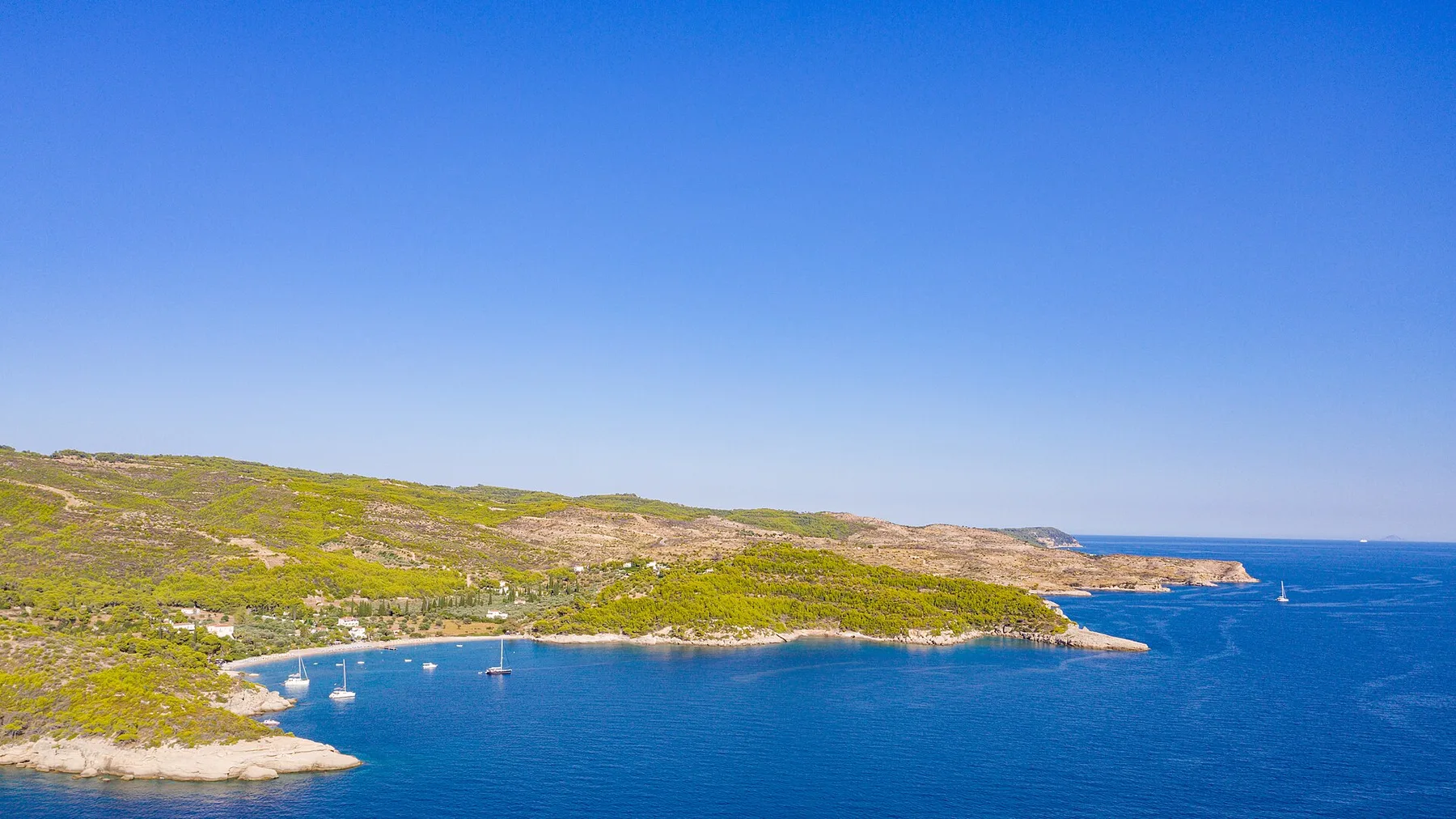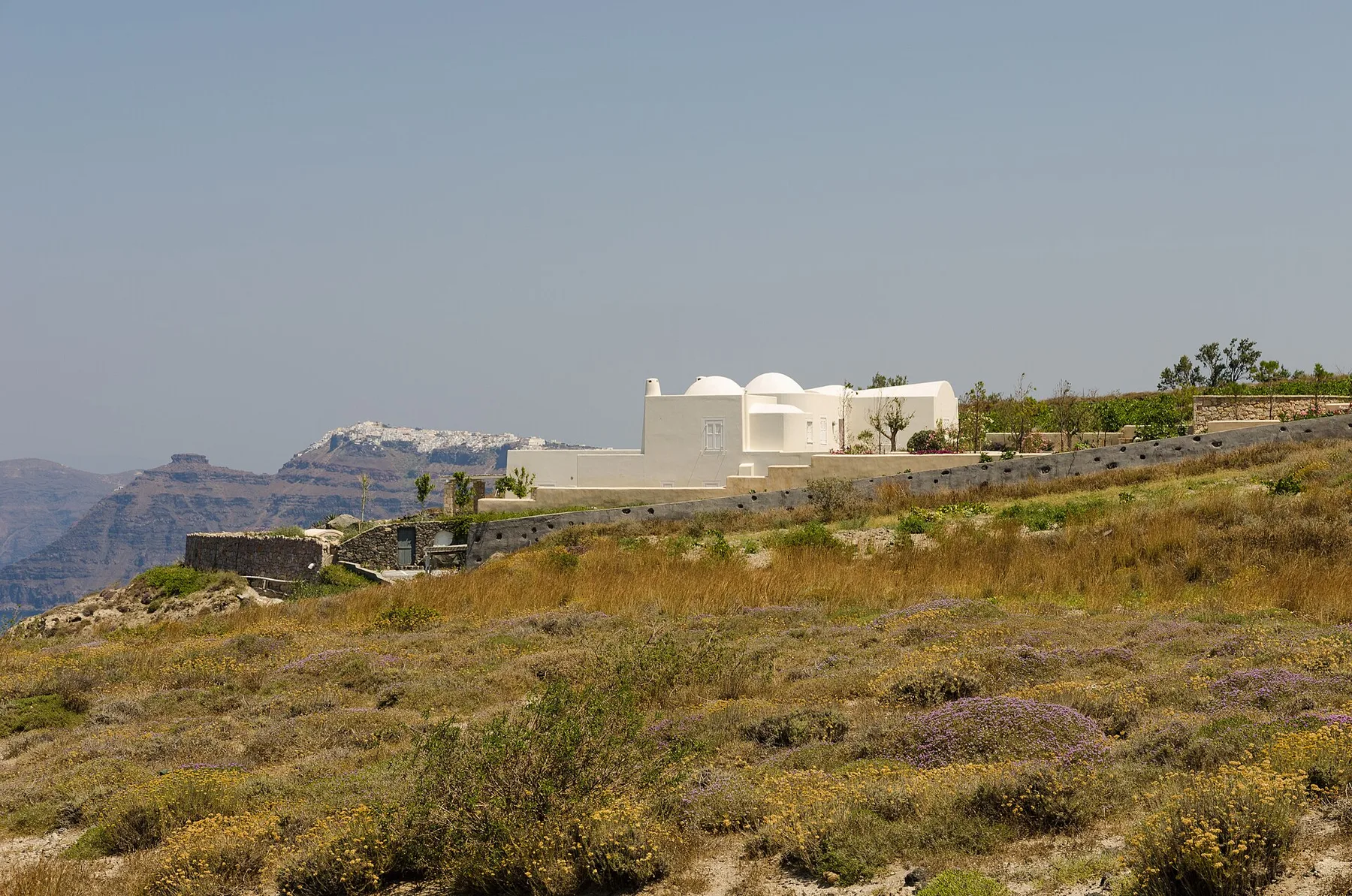

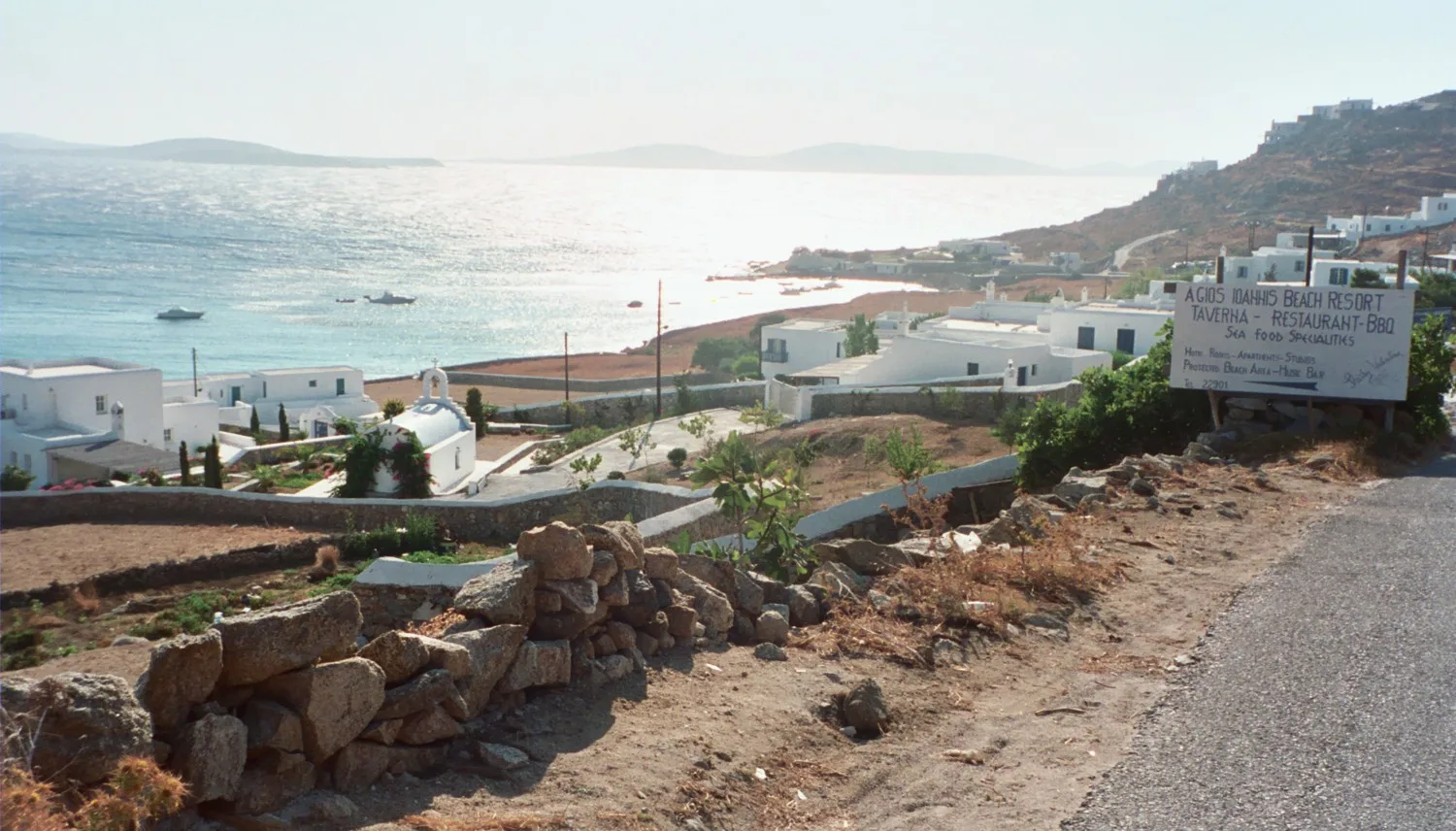
Mykonos is expensive, exposed and more interesting than both facts
No useful guide should pretend that Mykonos is an undiscovered island. In July and August, roads clog, headline tables are costly and the most photographed lanes can feel like a moving set. Nor should a guide dismiss the island as nothing more than conspicuous consumption. Mykonos holds one of the Mediterranean’s great archaeological day trips, a dry agricultural interior, serious vernacular architecture and northern coasts where the meltemi still dictates the day.
The answer is not to “avoid the tourists”—you are one—but to plan with precision. Stay long enough to experience Chora early, reserve only what truly matters, and leave open hours for the wind to choose the beach. Three nights permit a glimpse; five create room for Delos and the interior without sacrificing an evening out.
Chora has two honest hours
Before breakfast, Mykonos Town belongs to delivery workers, cleaners, residents and cats. Walk without chasing a list of painted doorways. The lanes were shaped by wind, defence and dense island life long before they became a backdrop. By late morning the centre becomes busier; use that shift as a cue to leave rather than complain that others arrived.
Return after dark by choice. The island’s nightlife ranges from simple drinks to globally branded clubs, and there is no virtue in pretending not to enjoy it. Set a budget before the first order, confirm minimum spends and transport for remote venues, and keep the following morning realistic. The best night is one you selected, not a sequence driven by fear of missing the next room.
Delos is the cultural centre of the journey
Across the channel, the uninhabited Archaeological Site of Delos preserves a sacred island that became a cosmopolitan trading port. Sanctuaries, houses, mosaics, cisterns and the famous lion terrace occupy a whole landscape rather than a compact ruin. It deserves half a day and attention beyond the standard circuit.
Choose the earliest practical boat, carry water and sun protection and check the forecast. Sailings can be cancelled, while archaeological areas and the museum can have changing access. Ferry and site admission are separate. If hiring a guide, do so for interpretation rather than queue avoidance; the island’s value lies in understanding how religion, commerce and domestic life overlapped.
Turn inland at Ano Mera
Ano Mera is not a preserved secret, but it remains an inhabited inland centre with a different scale from Chora. The Panagia Tourliani Monastery anchors the village through an unexpectedly ornate church interior and long religious history. Dress appropriately, check access and allow the square and surrounding streets to complete the visit.
Nearby, Mykonos Vioma Organic Farm gives the rural landscape substance. A tasting or meal among vines and herbs makes clear that agriculture has not disappeared beneath hospitality. Reserve directly and arrange a driver. The point is not to perform rusticity for an afternoon; it is to meet producers and understand how little water, strong wind and poor soil shape what can grow.
Use the north as a weather lesson
The northern coast is open, beautiful and often windy. At Armenistis Lighthouse, the Aegean horizon and channel towards Tinos explain why the tower mattered. The approach can be rough and the lighthouse itself is generally admired from outside. Go with suitable transport, avoid unstable edges and take rubbish back.
Farther east, Agios Sostis offers a less built-up beach landscape. Lunch at Kiki’s Tavern is famous for charcoal cooking and the absence of conventional reservations. It is not hidden, and the wait can be long. Arrive early, bring water and treat the queue as optional rather than a test of dedication. A swim and a simple picnic can be an equally good northern day.
Choosing a beach without ranking it
Mykonos beaches differ by orientation and social purpose. Some are organised for music and table service; others have little shade or infrastructure. Ask three questions: where is the wind coming from, do you want quiet or energy, and how will you return after sunset? The correct answer changes daily.
Avoid driving from beach to beach in search of the internet’s “best.” Parking and narrow roads turn that plan into lost hours. Commit to one coast, reserve a lounger only when you value the service, and carry what an unorganised beach requires. Never assume clear water means safe swimming in high wind.
Where to stay
Chora makes nightlife and early walks easy but brings noise, steps and complex luggage access. The south coast concentrates sheltered beaches and larger hotels; inland or northern stays offer space but require a vehicle for almost every dinner.
Santa Marina, a Luxury Collection Resort occupies a private peninsula at Ornos and suits travellers who want a polished beach base with resort facilities. Its sheltered position is a genuine practical advantage when the north wind rises. As with all high-end Mykonos stays, compare the room category, transfer policy and precise beach access—not only the brand name.
A four-day plan with margin
- Chora: arrive, walk late afternoon, have one reserved dinner and let the night end at a sensible time.
- Delos: early boat, slow archaeological visit, rest, then return to town after the day crowds thin.
- Interior: Ano Mera, the monastery and a pre-arranged farm visit; add an eastern beach if wind allows.
- North or south: choose according to conditions, not reputation. Keep the final evening free.
Keep the island liveable
- Do not drive after drinking; pre-book a transfer for remote nightlife.
- Confirm every quoted price and minimum spend before ordering.
- Respect church dress, farm appointments and Delos protections.
- Reduce water and linen waste; scarcity is real even when a hotel feels abundant.
- Travel in May, June, September or early October when possible. Services remain strong and the island has space to breathe.
Mykonos becomes more coherent when pleasure and context share the itinerary. Delos makes the harbour older; the farm makes dinner more specific; the wind makes every polished plan answer to the Aegean.