
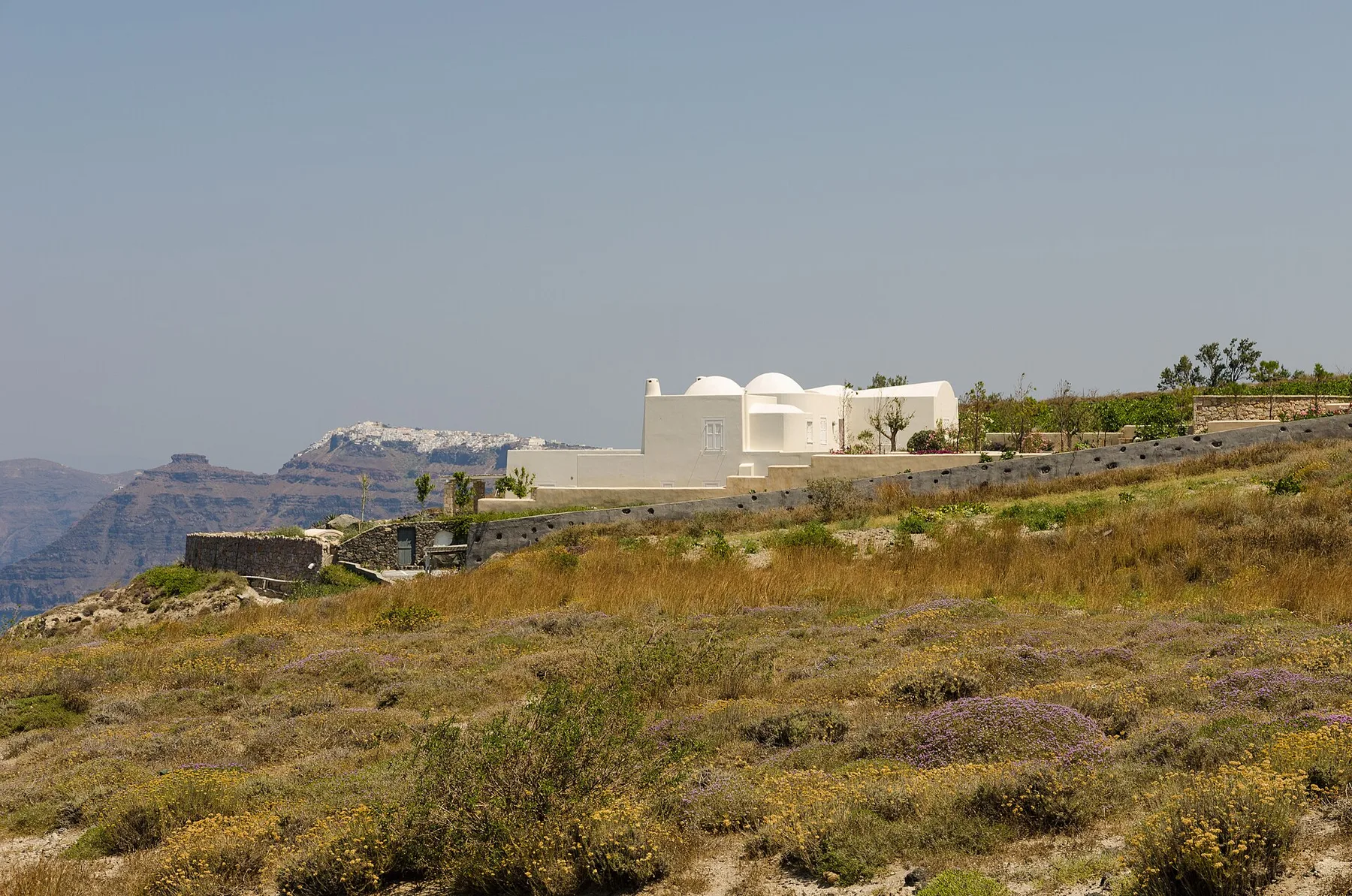
The view is extraordinary; the island is larger than the view
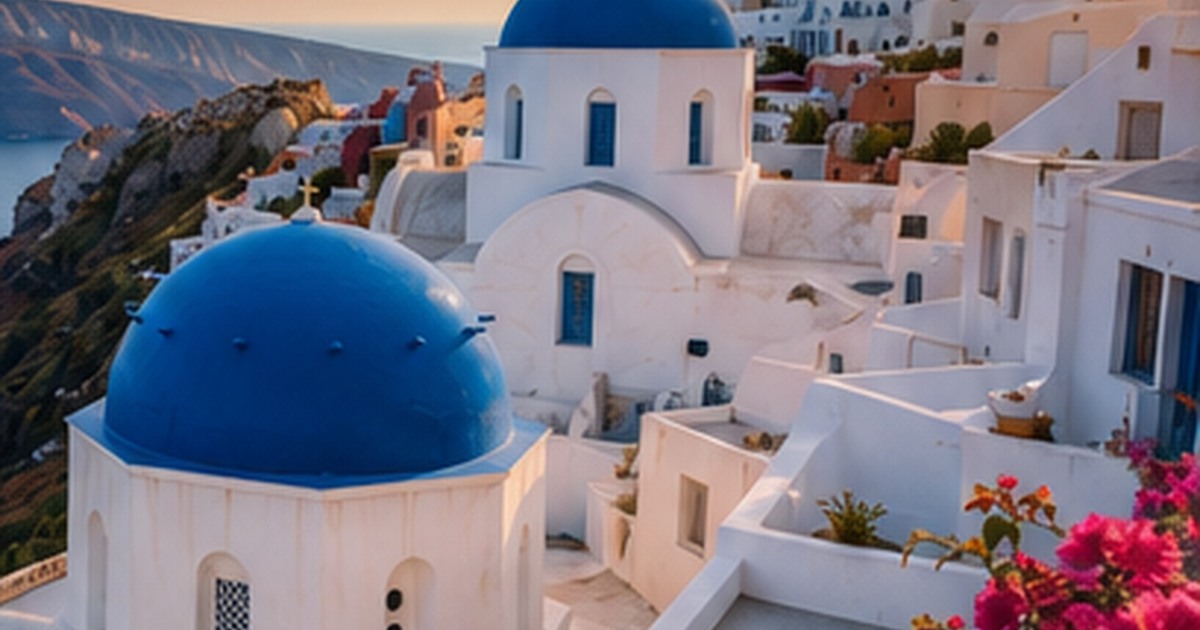
Santorini’s caldera does not need fresh adjectives. The collapsed volcanic basin, settlements balanced on its rim and evening light justify the attention. Trouble begins when a visitor spends the whole trip pressed against the same western edge. Inland villages, pumice fields, archaeological sites and the industrial south coast explain how people lived on a dry volcanic island long before infinity pools.
Four nights allow one caldera day, one archaeological south, one inland circuit and one weather-led choice. Five or six reduce the pressure to make every sunset an event. Distances look short, but summer traffic, scarce parking and steep pedestrian routes make over-planning particularly punishing.
Start beneath the roof at Akrotiri
The Akrotiri Archaeological Site preserves a Bronze Age town buried by volcanic ash. Raised walkways pass streets, multi-storey buildings and storage rooms that reveal sophisticated urban life centuries before classical Greece. The site is covered, making it a useful morning even when the sun is already severe.
A guide adds real value: walls and voids become houses, workshops and systems of movement. Follow with the prehistoric museum in Fira if open, where finds and frescoes complete the picture. Do not combine Akrotiri with three beaches and a winery merely because they share a map quadrant. Historical attention takes energy.
Emporio is a settlement, not a backdrop
At Emporio Kasteli, vaulted passages and tightly packed houses preserve the logic of a fortified village. Cool tunnels, overhead bridges and irregular turns were shaped by defence and climate, not by a desire to create photogenic confusion.
Go early or late, keep voices low and remember that people live behind the doors. A successful visit may produce no single iconic photograph. Instead, it teaches the eye to notice thick walls, shade and the way a village protects itself from wind. Continue to the ridge of windmills only if temperature and footwear allow.
Read the south coast through tomatoes
At Vlychada, the Tomato Industrial Museum occupies a former processing factory. Santorini’s small tomato adapted to scant water and volcanic soil, supporting an export industry before tourism remade the economy. Machinery, labels and oral histories give the coast an industrial narrative that the sculpted pumice cliffs alone cannot supply.
Check the seasonal calendar; the museum also hosts workshops and cultural events. Pair it with Vlychada’s beach or harbour rather than driving immediately back to the rim. The black and pale volcanic landscapes of the south feel different because they are different—less manicured, more exposed and closely tied to work.
Inland Santorini is held together by churches and fields
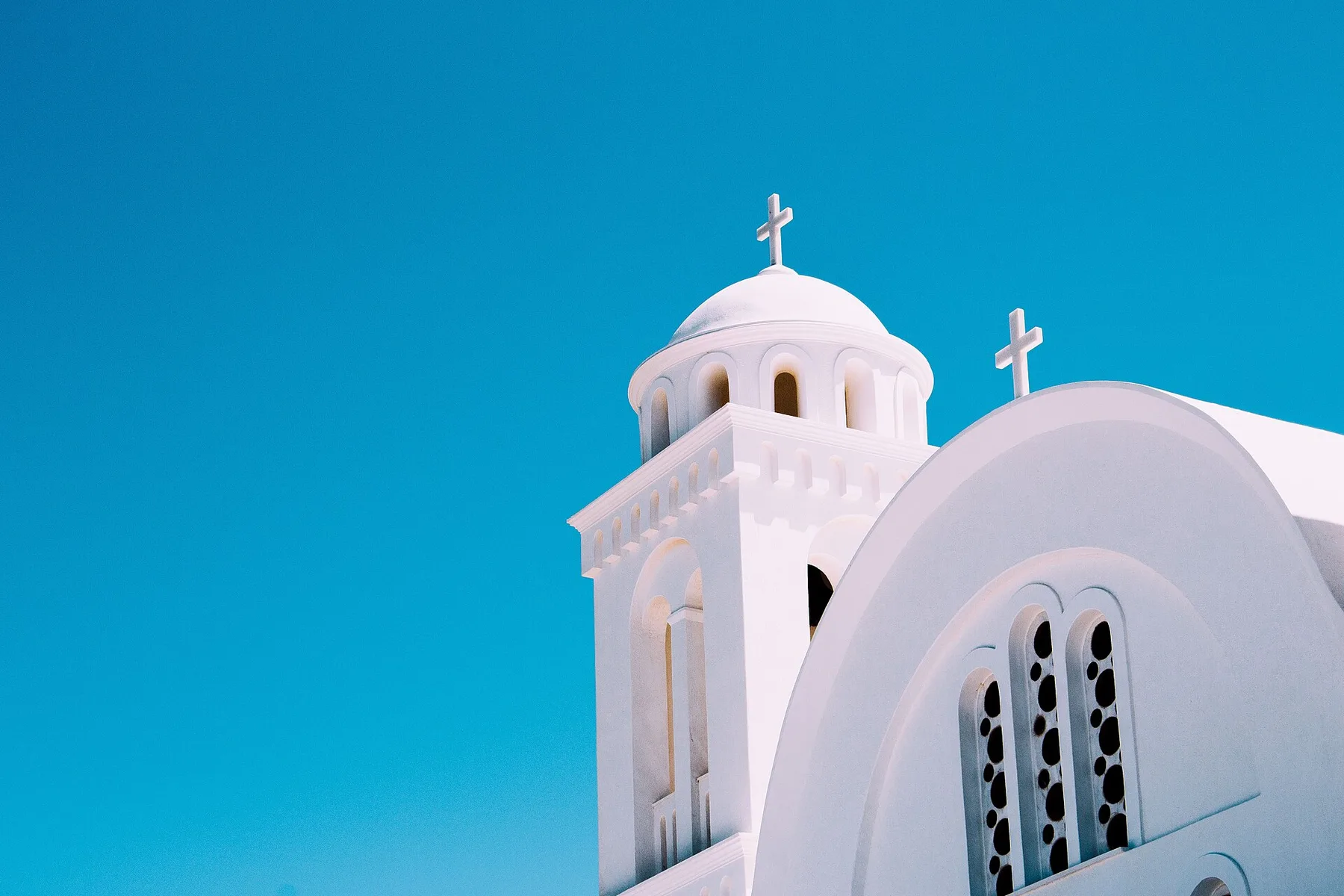
The 11th-century Panagia Episkopi stands near Mesa Gonia among the island’s vineyards. Its Byzantine architecture and religious continuity create a quiet point of reference far older than the neoclassical mansions and cave hotels of the rim. Confirm access, dress respectfully and allow services to take precedence over sightseeing.
Dinner at Metaxi Mas in Exo Gonia makes a natural continuation. The kitchen’s Cretan influence and robust Greek dishes are a welcome change from tasting menus engineered around a sunset. Reserve and arrange transport; the point of an inland dinner is lost if one person spends the evening negotiating dark roads after wine.
How to use the caldera without letting it use the day
Choose one significant rim walk or village sequence. The route between Fira and Oia is exposed, longer and more demanding than its endless photographs suggest. Start early, take water, avoid extreme heat and check trail conditions. If a full hike is unsuitable, walk a shorter section and return by planned transport.
For sunset, decide whether you want spectacle or space. Oia supplies the canonical composition and the largest crowd. Imerovigli and quieter sections of Fira provide different angles. A private terrace can remove the crush, but no view requires blocking a lane, climbing a church roof or entering a resident’s property.
Where to stay
Oia is beautiful at dawn and logistically distant from many southern sites. Fira offers the island’s strongest transport connections and a livelier, less hushed evening. Imerovigli prioritises caldera calm; southern and inland stays exchange the rim view for space, easier beach access and often better value.
Katikies Santorini is an established Oia choice for travellers who want caldera architecture, attentive service and the ability to experience the village before day visitors arrive. The usual cave-hotel cautions apply: ask about steps, privacy, room-specific outlook and luggage assistance. “Caldera view” can describe very different realities.
A four-day framework
- Rim: settle in, walk one caldera section and choose a sunset position without racing between villages.
- Prehistory: Akrotiri, a slow lunch and one south-coast stop.
- Inland: Panagia Episkopi, villages, a vineyard if pre-arranged and dinner in Exo Gonia.
- Emporio and Vlychada: fortified lanes, industrial history and a swim if conditions suit.
Practical restraint
- Book accommodation based on exact room access and location, not a generic sunset image.
- Use buses where they fit, but avoid scheduling the final connection of the day as if it were a private transfer.
- Reserve a small number of important meals and wineries; leave the rest of the week breathable.
- Carry water, but follow current guidance on tap water and refill points.
- Never enter roped volcanic areas, abandoned structures or private rooftops for photographs.
The caldera is the island’s geological fact, not its entire culture. Akrotiri, Emporio, dry farming and a tomato factory supply the human answers—and make the famous view more meaningful when you return to it.