
Paros is not one mood
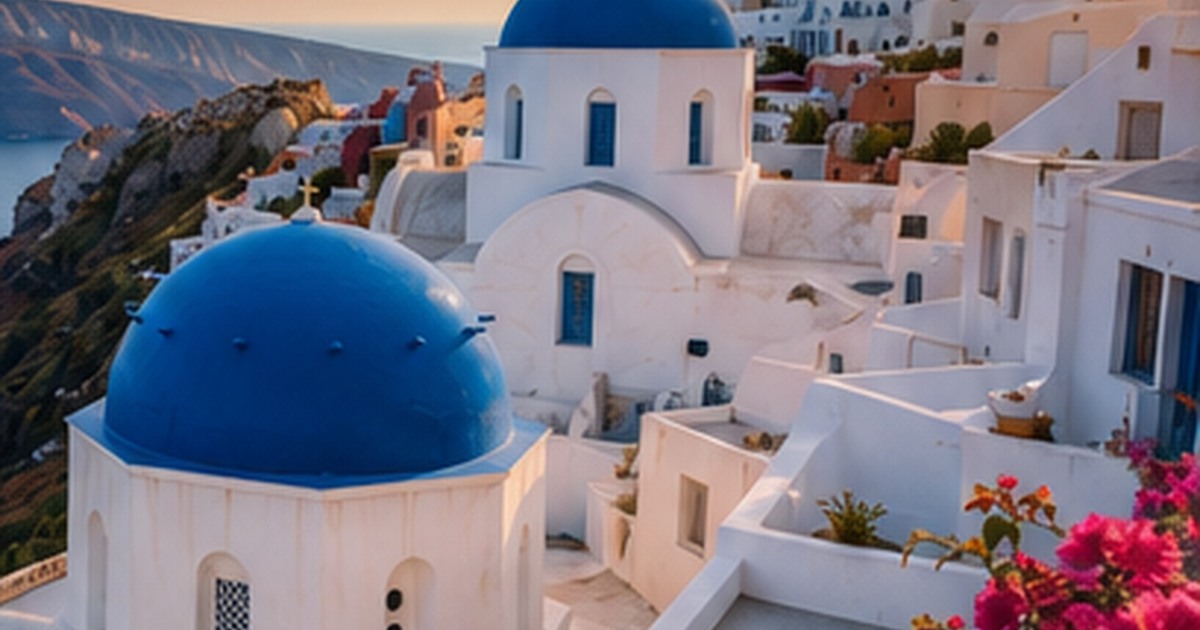
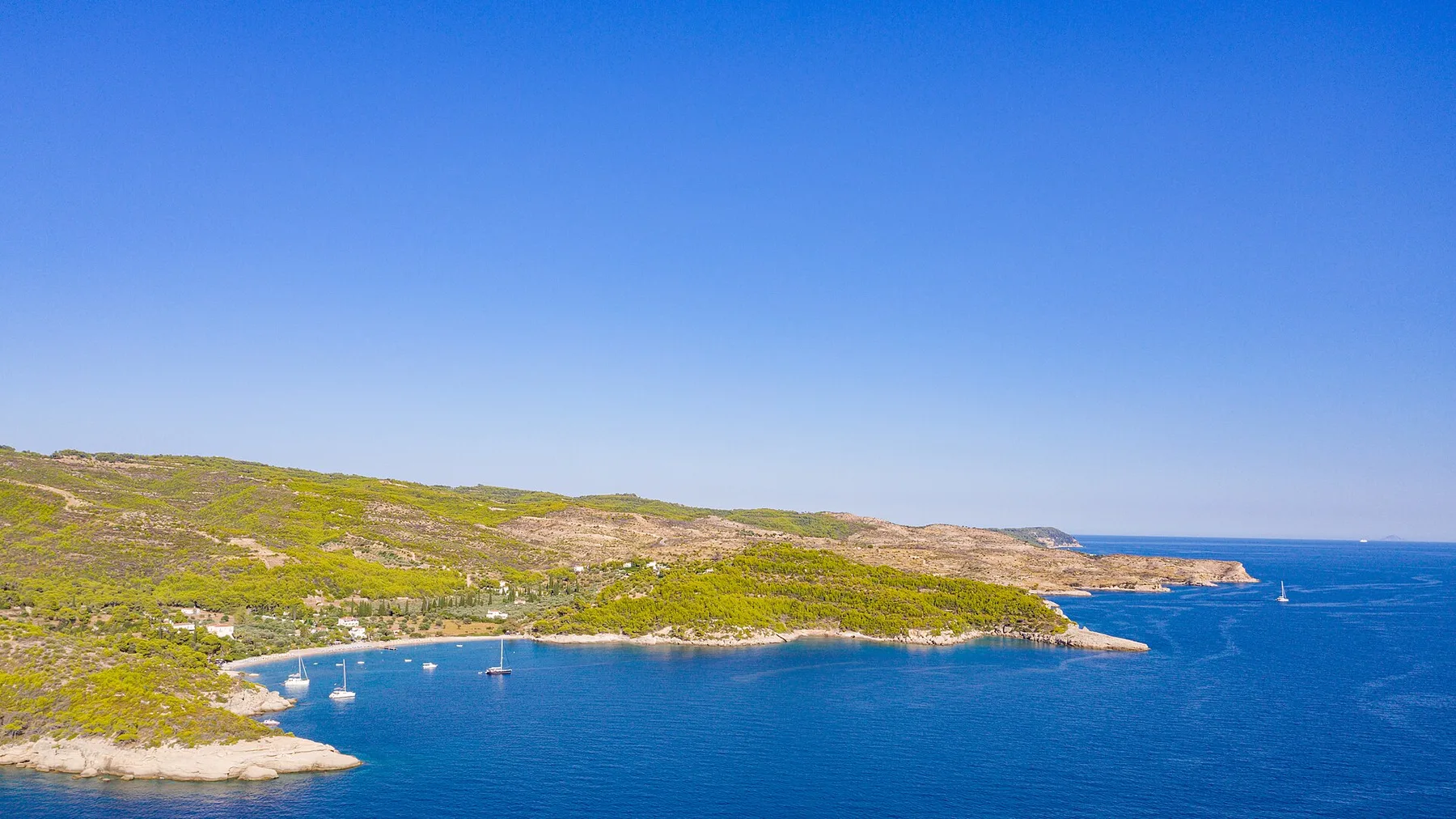
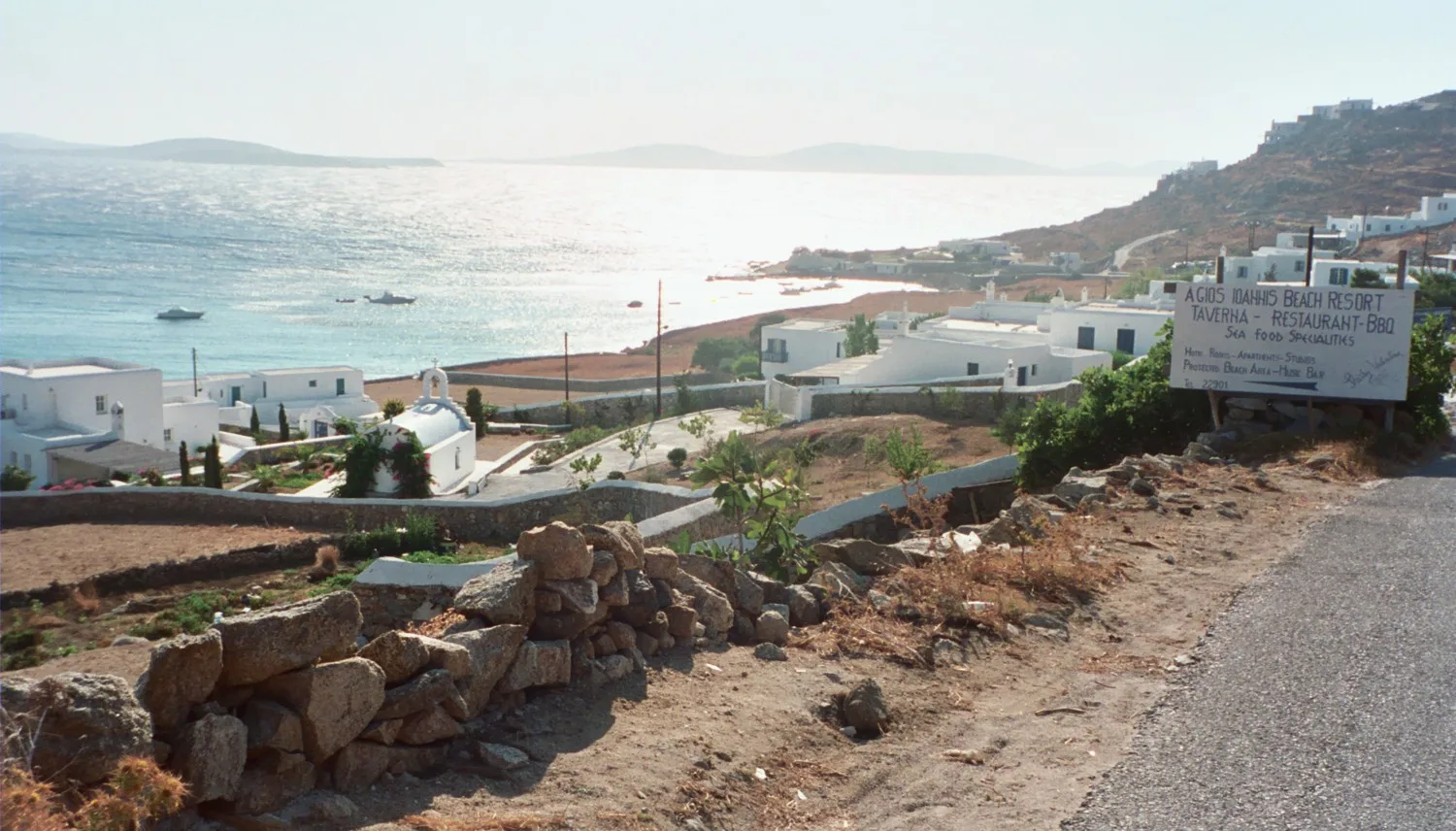
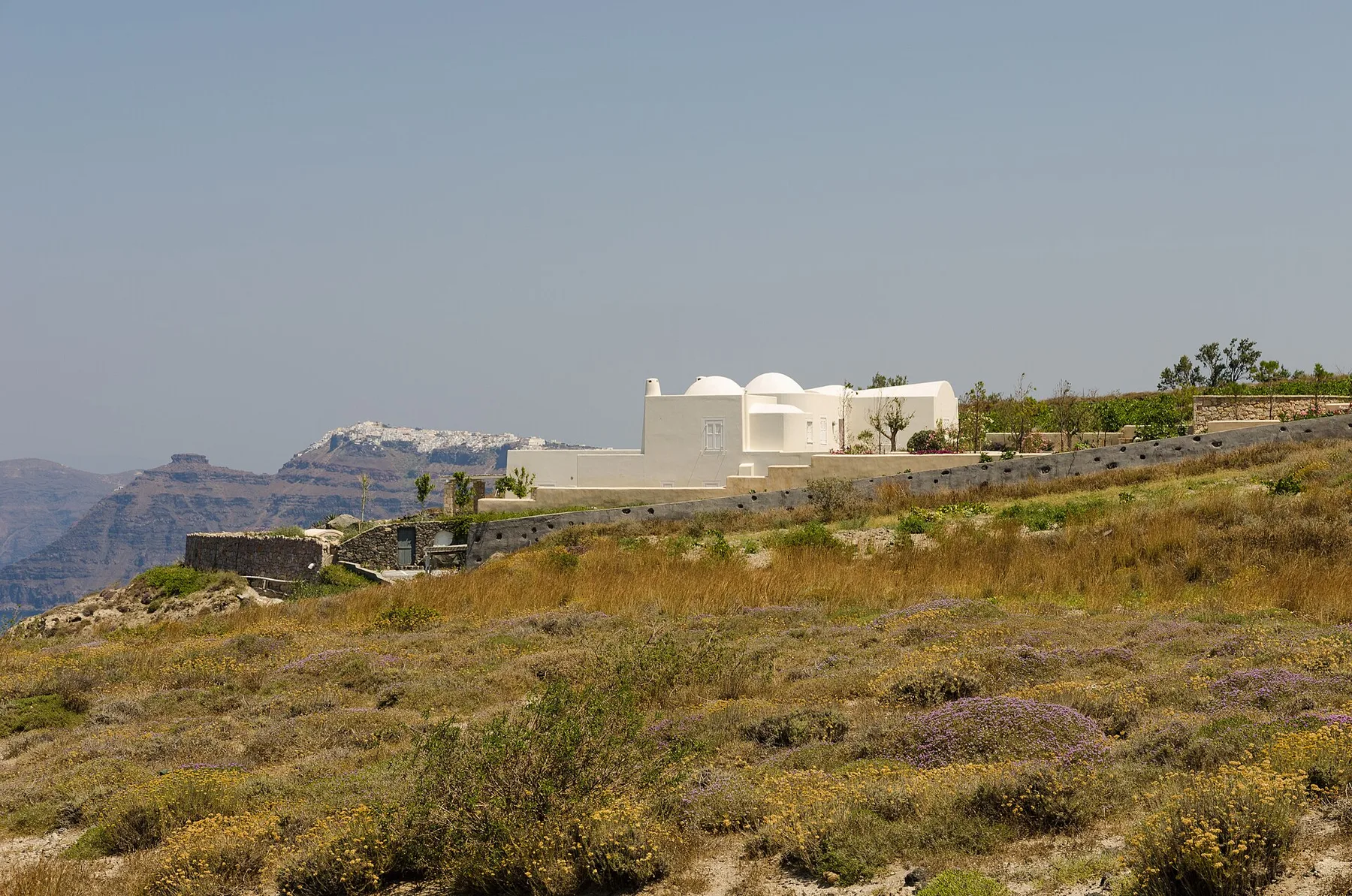
Paros is often sold as a smoother alternative to Mykonos: white lanes, fashionable dinners, good beaches, less theatre. That comparison is convenient and incomplete. The island has a busy port capital, a former fishing harbour with a polished social scene, high villages built around quarries and farmland, wind-exposed eastern water, and a northern peninsula protected for walking and culture. The strongest trip moves between these versions rather than choosing one postcard base and repeating it.
Four nights is a workable minimum. With six or seven, weather can decide the beach day and the interior no longer feels like a half-day excursion. A car helps, but it should not erase the pleasure of walking. Some of the island’s best evidence—Byzantine paving, marble fragments, dovecotes, terraced slopes—appears only when you slow down.
Parikia deserves more than ferry logistics
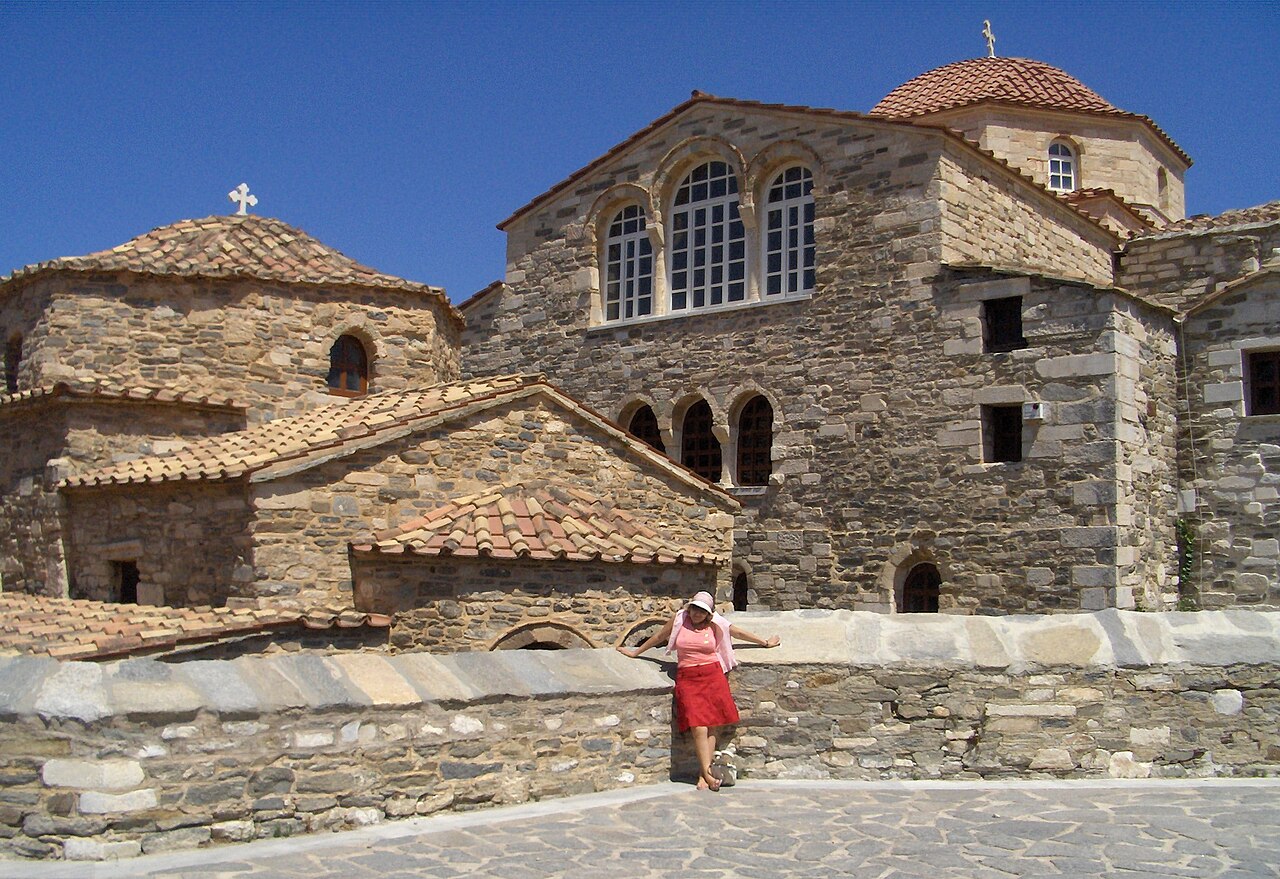
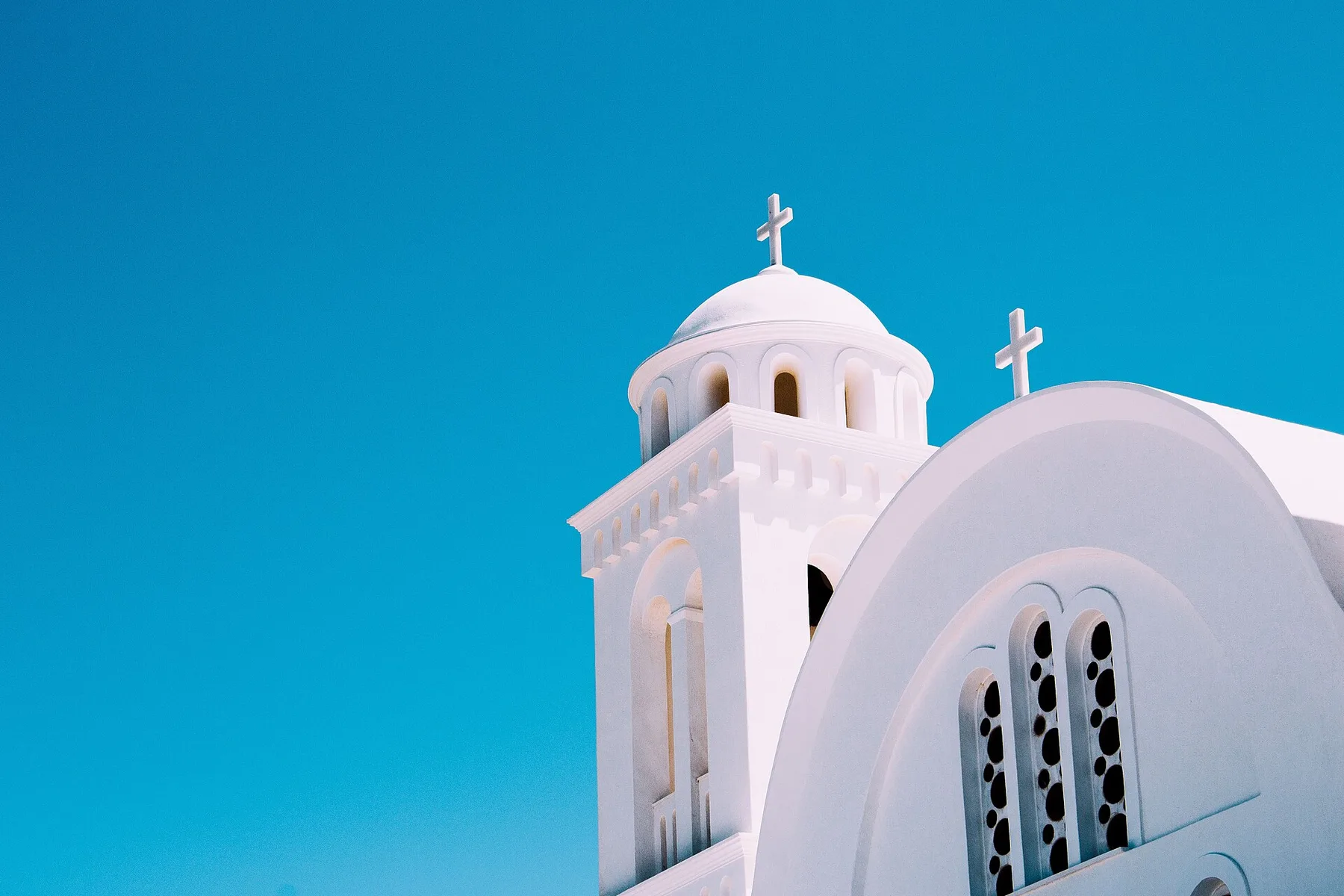
Most visitors meet Parikia while pulling a suitcase. Leave the port frontage and begin at Panagia Ekatontapiliani, one of the Aegean’s most important early Christian complexes. The church, baptistery and accumulated Byzantine fabric give the island a historical centre of gravity before any beach plan. Visit quietly and avoid treating an active place of worship as an architectural shortcut.
From there, walk the old lanes without trying to force a perfect route. The town’s Venetian castle is woven from ancient material and later houses rather than isolated behind a ticket gate. Look for reused marble, continue to the waterfront only when the lanes naturally release you, and return after dusk when ferry traffic no longer dominates the atmosphere.
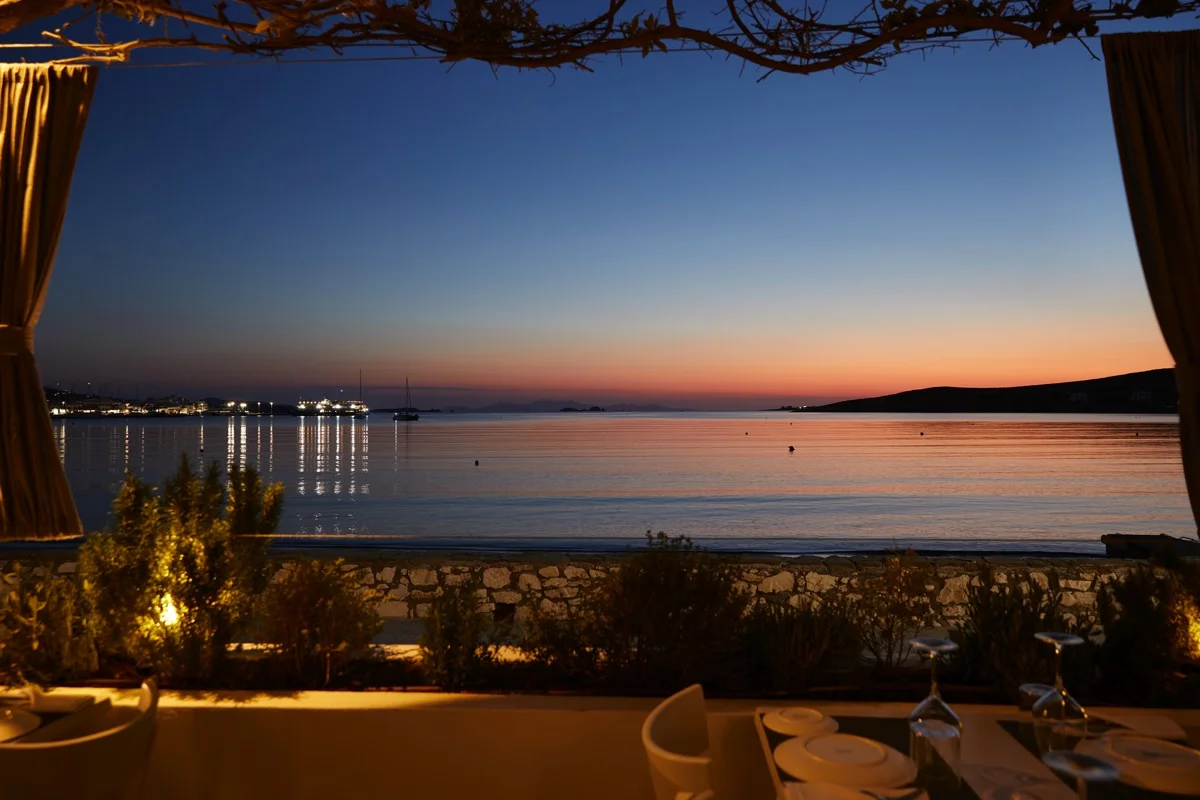
Parikia also now holds one of the island’s serious evening tables. Mario Restaurant built its name elsewhere on Paros but currently operates here; this matters because older lists still send diners to the wrong town. Reserve, confirm the current address and give the seasonal menu time rather than squeezing it between port transfers.
The marble story changes every village that follows
Drive inland to Marathi and the Ancient Marble Quarries. Parian marble’s translucency made it a material of choice for major ancient sculpture. Seeing the cut landscape and dark gallery entrances transforms the bright marble doorways elsewhere on the island from decoration into evidence of labour, geology and exchange.
Do not enter unstable underground workings or step around barriers for an adventurous photograph. Conservation initiatives are working to interpret and protect the quarries; use their current information and join an organised visit when one is available. The responsible experience is intellectual and visual, not a self-guided caving expedition.
Continue to Lefkes, whose amphitheatrical position and neoclassical houses reflect its period as island capital. The best onward movement is on foot along the Byzantine Trail from Lefkes to Prodromos. The old paving crosses olive groves and terraced country before reaching a much smaller village. Start before the heat, carry water and solve the return transport in advance. A walk followed by lunch is better than racing back to a parked car.
Naousa works best when it is not asked to be “authentic”
Naousa’s harbour is beautiful and heavily composed for visitors. Both facts can be true. Go early to see fishermen and delivery crews before the lanes become a retail circuit; return at night for the energy if that is what you came for. Do not hunt for an imaginary untouched village in the centre of one of the Cyclades’ most successful destinations.
The more revealing contrast lies a short distance away at Paros Park. Its paths cross the Ai Yiannis Detis peninsula through granite, herbs and small coves, while the summer amphitheatre brings cultural life into a protected landscape. Choose a route suited to the temperature, swim afterwards and check the current programme for an evening film or performance.
A useful five-day rhythm
- Parikia: church complex, old town, a long dinner and no driving after arrival.
- Marble and villages: Marathi, Lefkes and the walk to Prodromos; add another village only if the day remains spacious.
- North: early Naousa, then paths and a swim on the protected peninsula.
- Weather-led coast: choose west, south or east after checking the meltemi. A famous beach facing the wind is rarely the best beach that day.
- Open day: return to the place that held your attention, take a boat only in settled weather or cross to Antiparos without trying to survey the whole island.
Where to stay
Parikia is practical for short stays, ferry connections and travellers who want an actual town after dinner. Naousa offers the widest concentration of polished restaurants and shopping, with corresponding prices and pressure in summer. The south and east give greater calm but make a car more important.
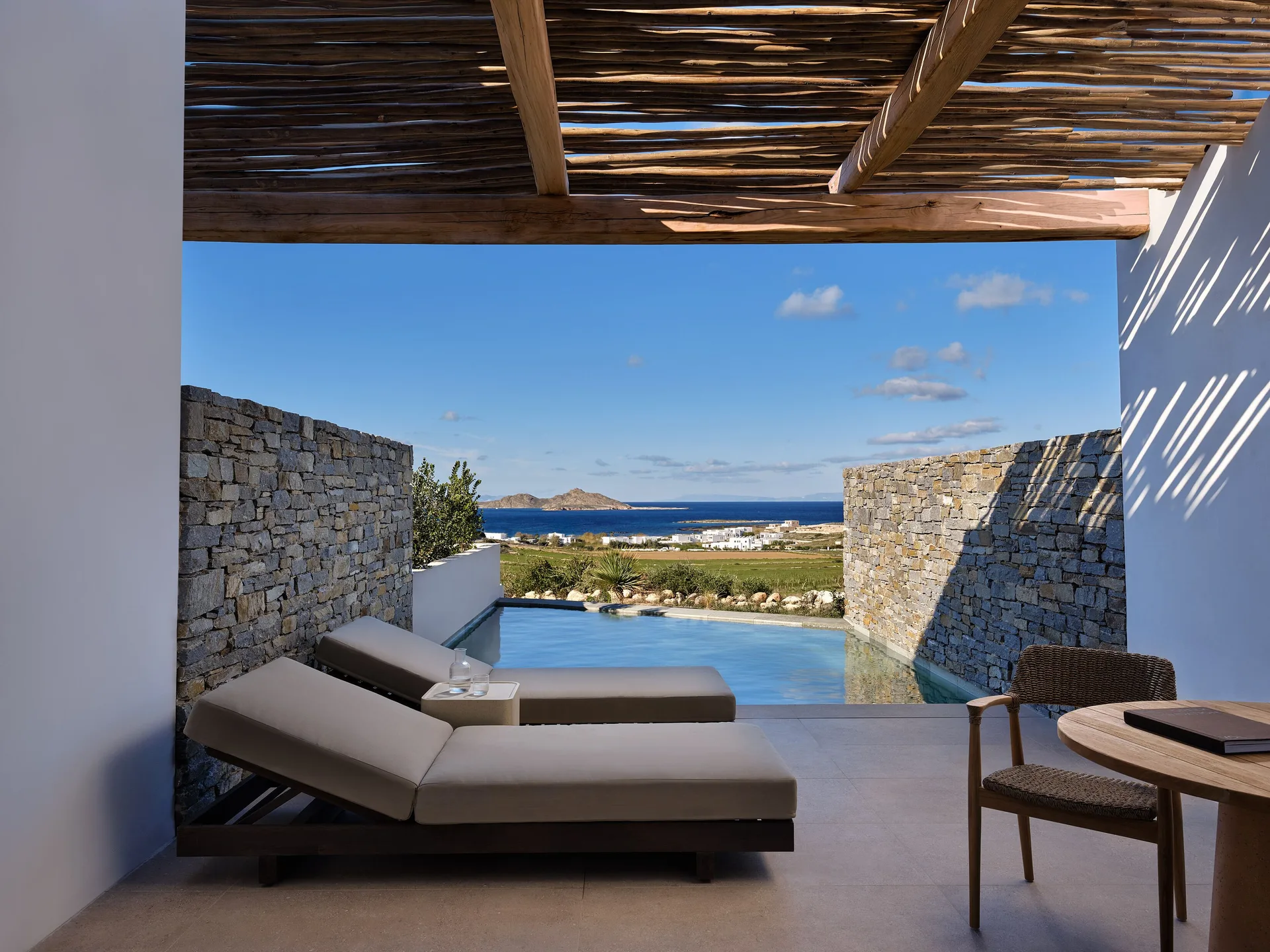
The adults-only Oroséa, Paros suits travellers who want a design-conscious retreat and a sea-facing reset between village days. As with any out-of-town resort, calculate the drive to dinner rather than choosing solely from the pool view. The right base depends less on which town is “best” than on whether you want to walk out at night or wake in quiet.
Small decisions that improve the island
- Visit the marble museum and quarries with attention to the living craft tradition, not just ancient celebrity.
- Use refillable water where local guidance allows and reduce single-use beach supplies.
- Never park across village lanes or field entrances; a small car is a genuine advantage.
- Ask before photographing craftspeople, fishers and worshippers.
- Check wind before booking a boat and avoid a rigid beach ranking.
Paros becomes memorable when the harbour, quarry, village path and windy coast are allowed to contradict one another. That variety is not a planning problem. It is the island’s character.