
The highest form of luxury in Athens is not a longer list. It is seeing the Acropolis without the normal flow of visitors, having the right archaeologist beside you, returning to a cool suite before the heat builds, and letting a captain choose the calmest water rather than forcing an advertised route. This eight-day journey uses two bases—central Athens and the Athenian Riviera—so the city, coast and Saronic Gulf each have room to make sense.
The shape of the journey
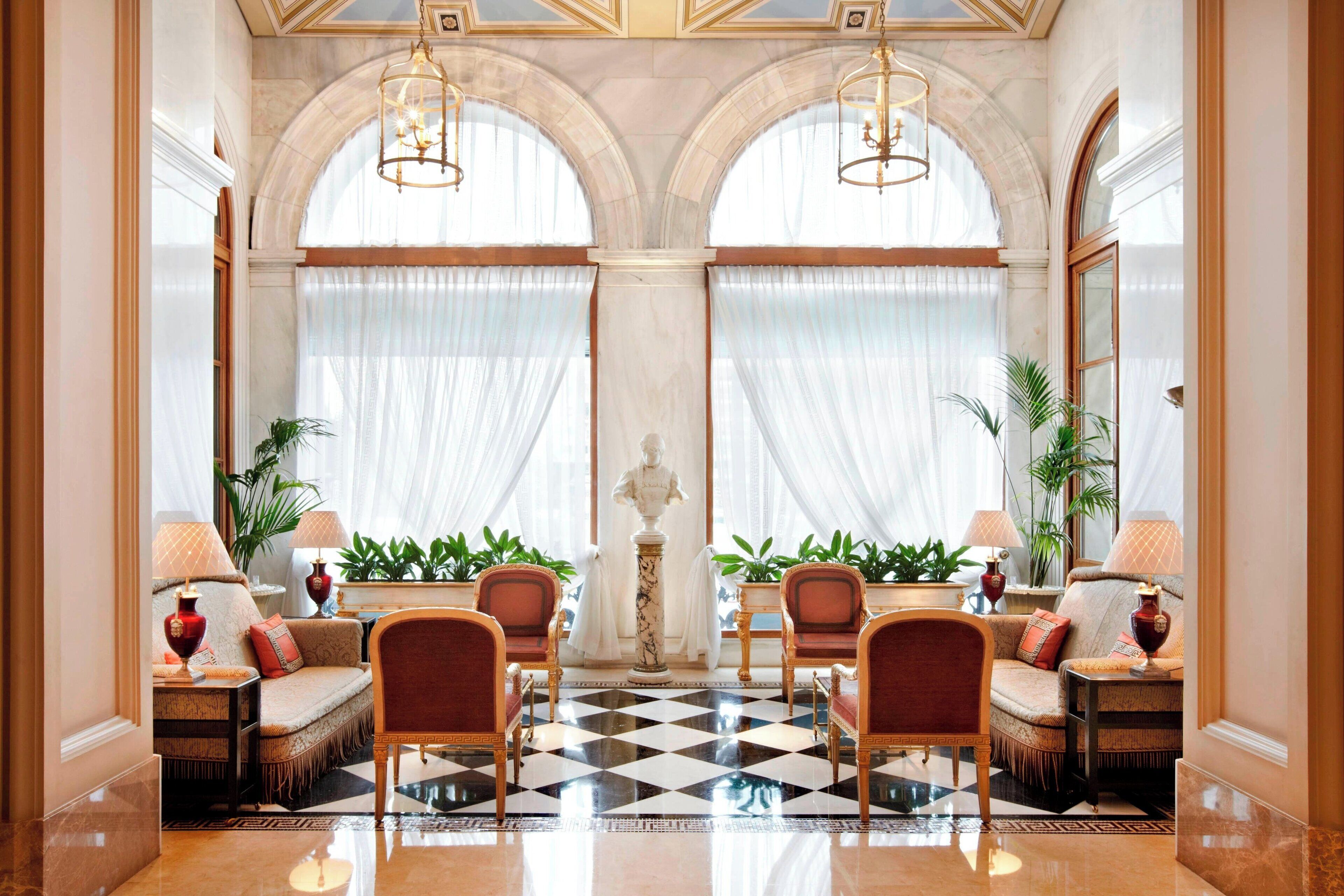
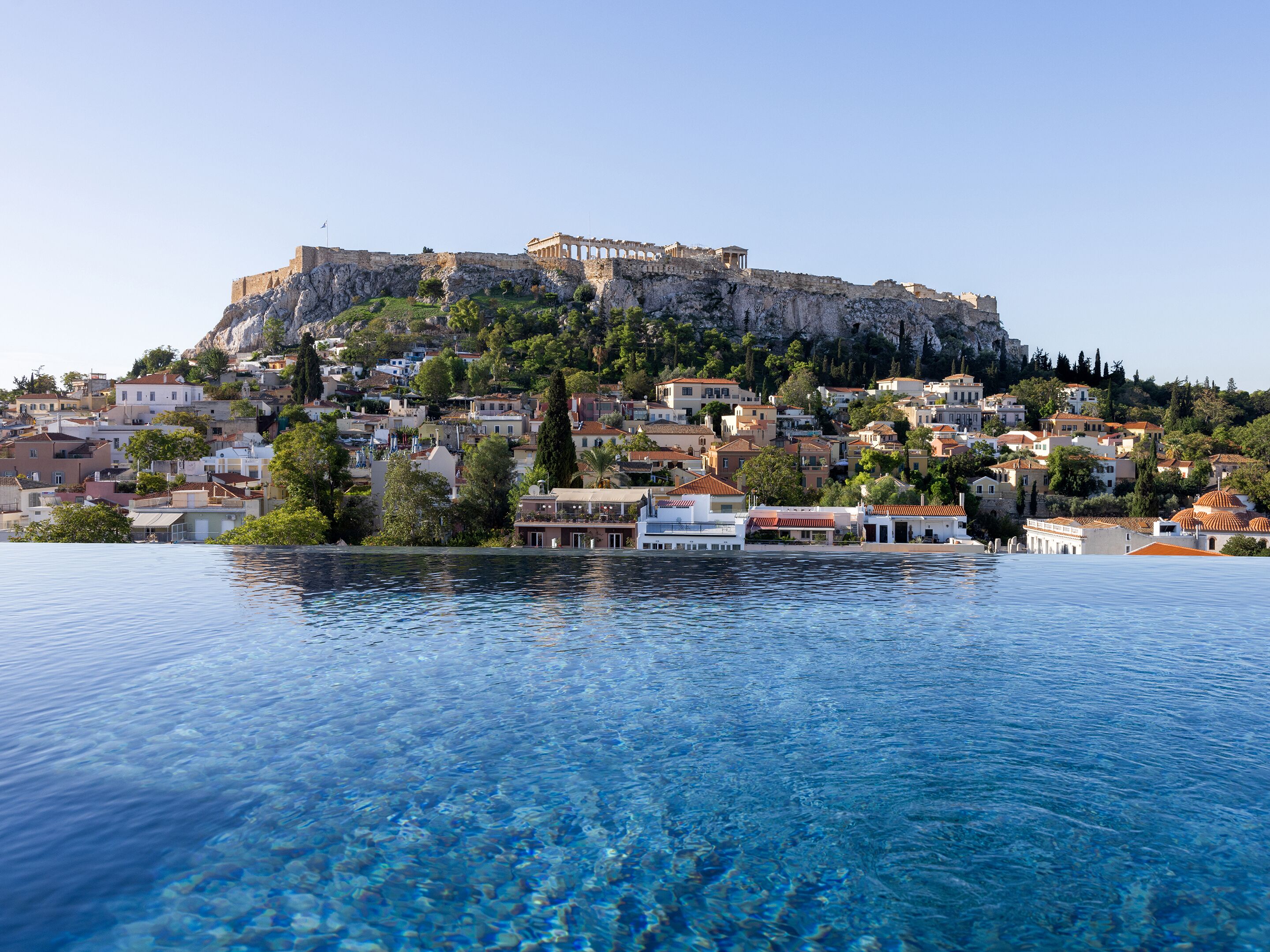
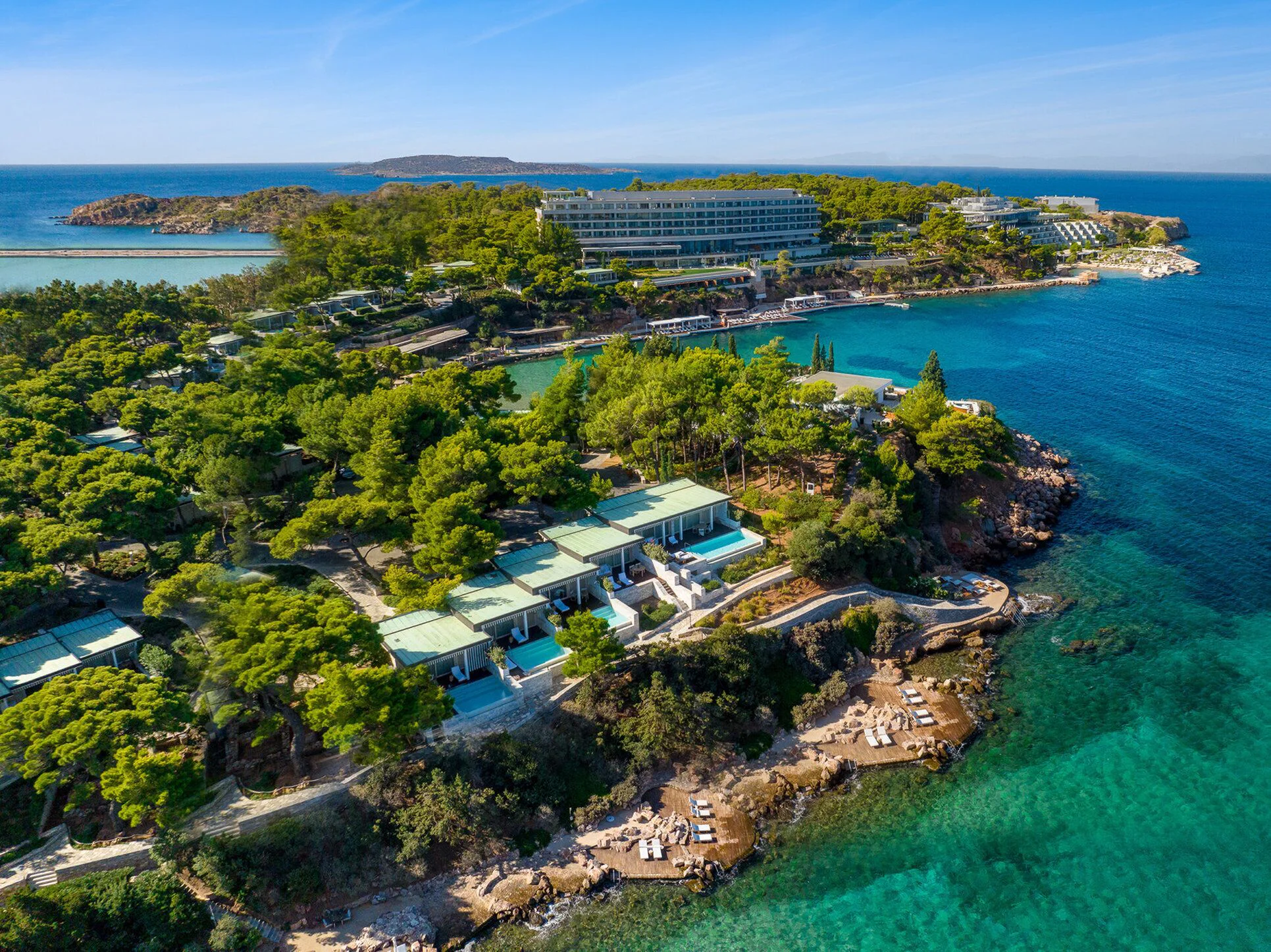
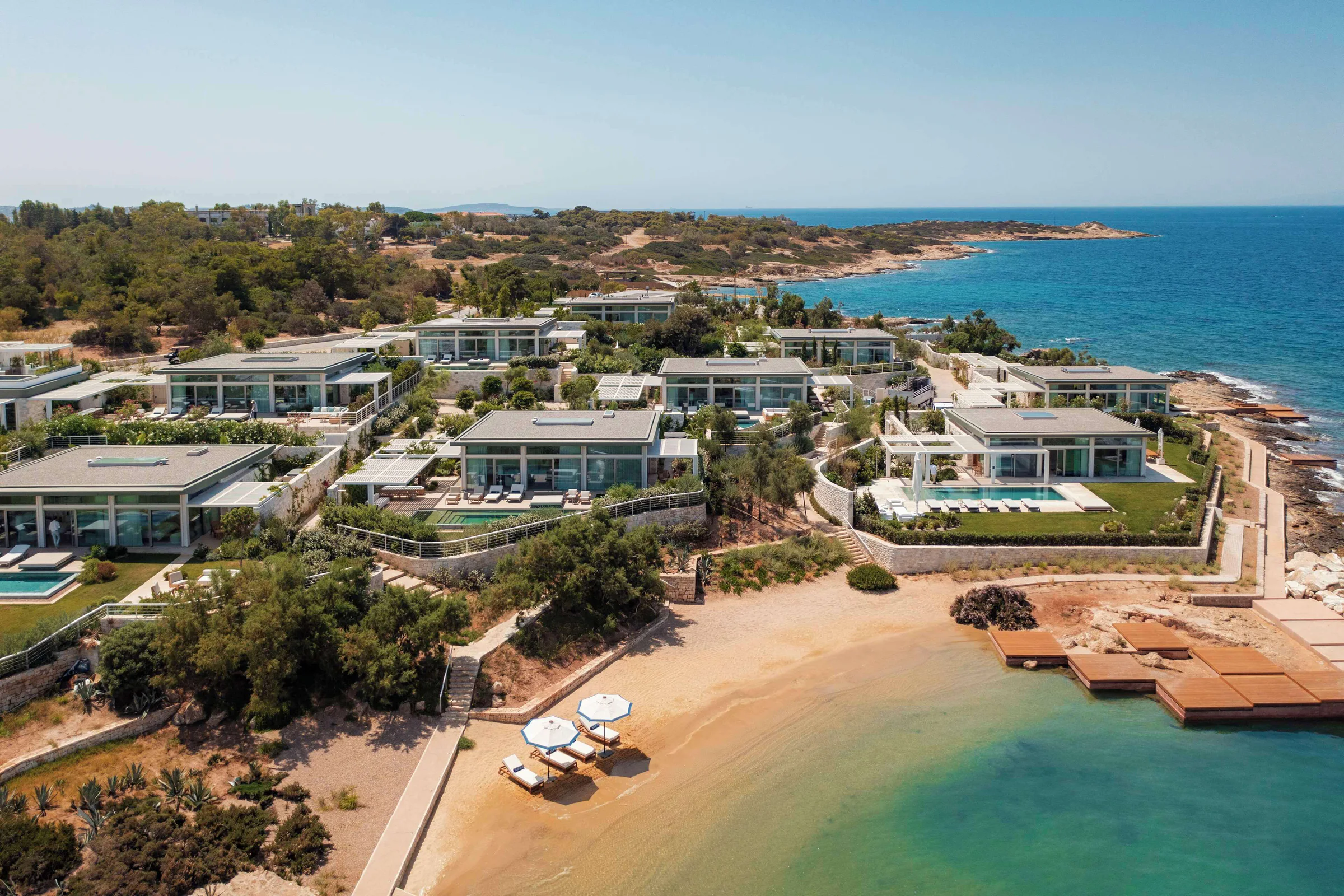
Spend three nights in central Athens, then four on the Riviera. In the centre, choose Hotel Grande Bretagne for formal service, a Syntagma address and a strong concierge operation, or The Dolli at Acropolis for a smaller, design-led stay with the Parthenon filling the rooftop view. On the coast, Four Seasons Astir Palace has the deepest resort infrastructure and the broadest range of rooms, bungalows, beaches and dining. One&Only Aesthesis feels more contemporary and residential, with low-rise bungalows, villas and Glyfada close by.
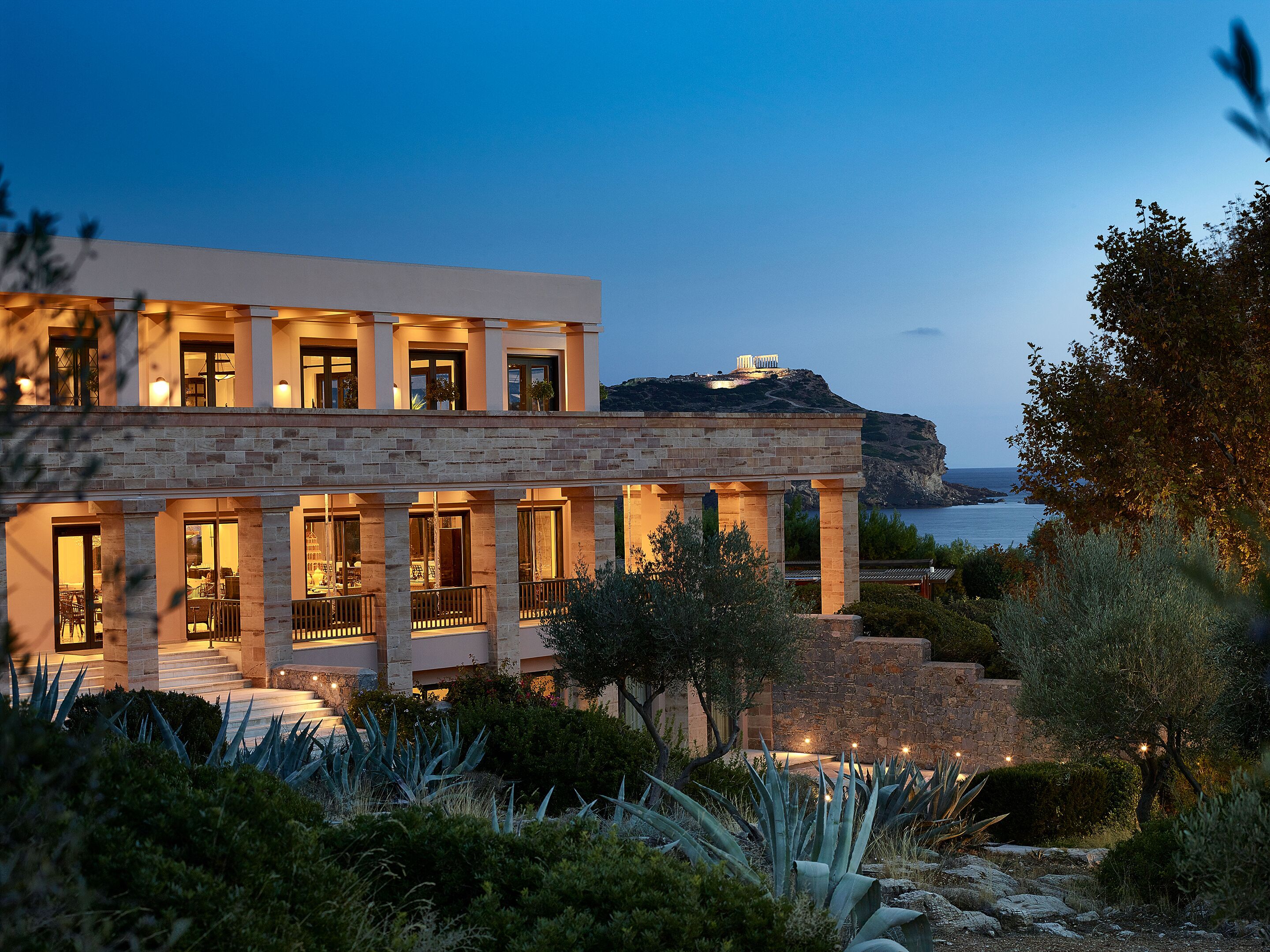
Do not add an island hotel simply to say that you did. The private-yacht day supplies open water without a third unpacking. An optional final night at Cape Sounio, a Grecotel Resort to Live works only when the onward flight is late enough to make the transfer sensible, or when the party actively wants a secluded beach ending. Otherwise, return to the Riviera after the temple and keep departure day simple.
The booking order: secure the official private Acropolis access first; then the two hotels and exact room categories; then the yacht and the hardest restaurant tables; then the licensed guide, driver, Lake Vouliagmeni cabana and airport services. For May through October, begin eight to twelve weeks ahead. Peak dates, large suites and exclusive archaeological access can require much more notice.
Day 1: A soft landing in central Athens
Arrange airport meet-and-assist and a dedicated Mercedes-class transfer with flight tracking. The useful brief is more important than the badge on the car: the driver should wait airside where permitted, carry chilled water, know the hotel entrance and remain available if baggage is delayed. Allow forty-five to ninety minutes from Athens International Airport to the centre depending on traffic; never place a non-refundable reservation against an optimistic arrival time.
At the hotel, ask for early room priority rather than a promised early check-in. At Grande Bretagne, an outward-facing suite with an Acropolis or Parliament view is worth specifying; at The Dolli, confirm the actual outlook because not every room carries the rooftop’s famous view. Keep the afternoon empty. A swim, spa treatment or sleep is better preparation than a rushed monument.
Begin with dinner at GB Roof Garden. It gives the first evening a clear sense of place without sending a travel-weary party across town. Request an outdoor table with an Acropolis sightline, while allowing the restaurant to move the table inside if wind or heat makes the terrace uncomfortable. Order lightly, avoid a long tasting menu and return early: the following morning is the journey’s defining appointment.
Day 2: The Acropolis without the crowd
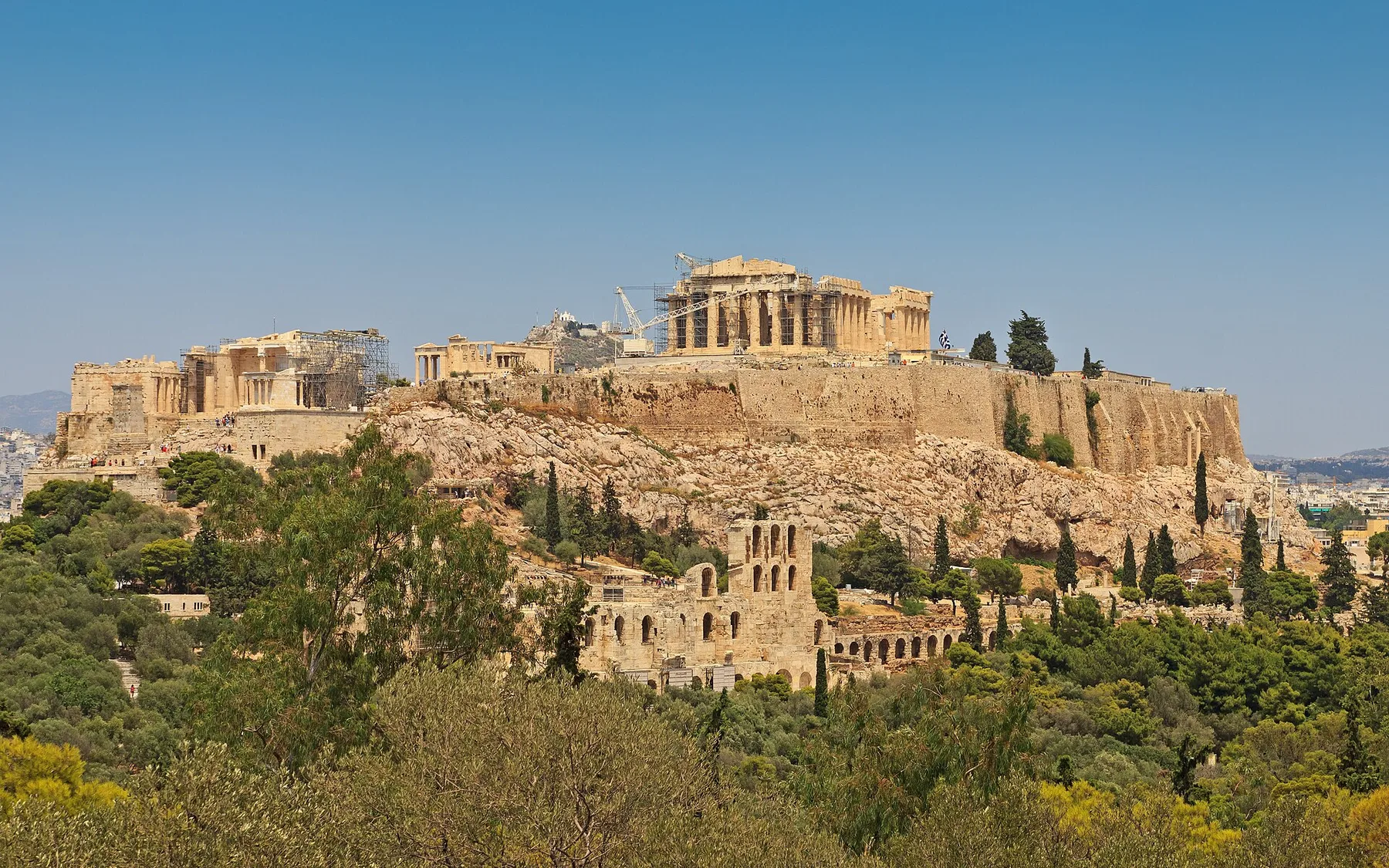
Reserve The Acropolis Experience through Hellenic Heritage, the official programme that can make the archaeological complex exclusive to one group during a limited early-morning or after-hours window. The dawn option is the stronger fit in warm months. Pair access with a licensed archaeologist-guide; private entry by itself does not explain the sanctuary’s architecture, political meaning or later history.
Ask the guide to meet at the hotel, carry the correct tickets and set a route for the group’s mobility and knowledge. Even with a private slot, the marble is uneven and exposed. Secure shoes, water and a light layer matter more than dressing for photographs. Archaeological authorities may change access during extreme heat, high wind or conservation work, so the concierge and guide should confirm the visit the previous evening.
Have breakfast after the descent, then continue to the Acropolis Museum. Ninety focused minutes with the same archaeologist is usually enough: the Archaic Gallery, architectural sculptures and the Parthenon Gallery complete the story begun on the hill. Return to the hotel before lunch for a long rest. Private access loses its value if the day is then filled with six more sites.
In the evening, place one major culinary statement: Delta Restaurant at the Stavros Niarchos Foundation Cultural Center. Its extended contemporary Greek menu and two Michelin stars make it the most ambitious table in the city. Arrange a car both ways, share dietary restrictions when booking and protect the full evening. If jet lag remains a concern, move Delta to Day 3 and choose a quiet hotel dinner instead.
Day 3: A private Athens shaped around you
Commission Athens Insiders to build a four- or five-hour private city programme rather than buying a fixed highlights circuit. A strong brief might combine one collection—modern Greek art, Cycladic antiquity or photography—with an architecture walk and several precise food stops. Ask for a licensed specialist guide, a separate driver and a vehicle that can remain close without dictating the route.
Be explicit about what the party has already seen, how far everyone comfortably walks, whether stairs are acceptable and whether tastings must handle allergies. Ask for the proposed guide’s specialism before confirming. The day should contain one unscripted coffee and no more than one museum; access is luxurious when it creates attention, not when it accelerates consumption.
Keep late afternoon for the hotel spa, pool or private shopping appointments. For dinner, choose one of two distinct rooms. Soil is the more intimate, garden-driven expression of contemporary Athens, currently holding one Michelin star. Spondi offers French technique, formal service and a deep cellar in vaulted Pangrati rooms, also currently at one star. Soil suits guests who want a modern Greek narrative; Spondi suits those who value classical dining and wine. Do not book both merely to collect names.
Day 4: From the capital to the Riviera
Leave central Athens after a slow breakfast. Have the same driver collect luggage and take the coastal route, with an optional private architecture stop at the Stavros Niarchos Foundation Cultural Center if Delta was not visited. Avoid checking out at noon and sitting in a lobby until the Riviera room is ready; the central and coastal concierges should agree the transfer and room-priority timing directly.
At Four Seasons, choose the building before the view: Nafsika for energy and easy access to the main pool, Arion for a quieter rhythm near the spa and Pelagos, or a bungalow for shoreline privacy. At One&Only, ask for the exact relationship between the bungalow or villa, its pool, foot traffic and the beach. “Sea view” and “private” are not room plans. Request current photographs or a location explanation when the category matters.
Use the afternoon to learn the property, swim and reset. If staying at Four Seasons, dine at Pelagos, the resort’s one-Michelin-starred Mediterranean restaurant. Guests based at One&Only can still reserve it, but should allow for the Astir peninsula entrance and a chauffeured return. Keep lunch small and verify current service days and family-age guidance before finalising the week.
Day 5: Thermal water, spa time and a Riviera evening
Reserve the first morning session at the Lake Vouliagmeni Private Cabana. The two-person cabana creates a shaded base with direct access to the mineral water and is calmer than arriving casually at the busiest hour. Two or three hours is enough. The lake publishes health and accessibility information, but any specific medical, pregnancy or mobility consideration should be discussed before the visit.
Return to the hotel for lunch and a protected afternoon. This is the right point for the most substantial spa booking: hydrotherapy and a treatment at Four Seasons, or the Guerlain Spa at One&Only. Build a gap between the lake and treatment, drink water and do not combine a heavy lunch, thermal swim and long treatment without advice from the spa team.
At dusk, dine at Matsuhisa Athens. The Japanese-Peruvian menu will be familiar to many experienced travellers; the reason to choose this branch is the open Saronic setting and the energy of an Astir evening. Request the terrace, discuss allergies in advance and ask the team to pace cold dishes, hot plates and sushi. This should feel social, not like another endurance tasting.
Day 6: A private yacht into the Saronic Gulf
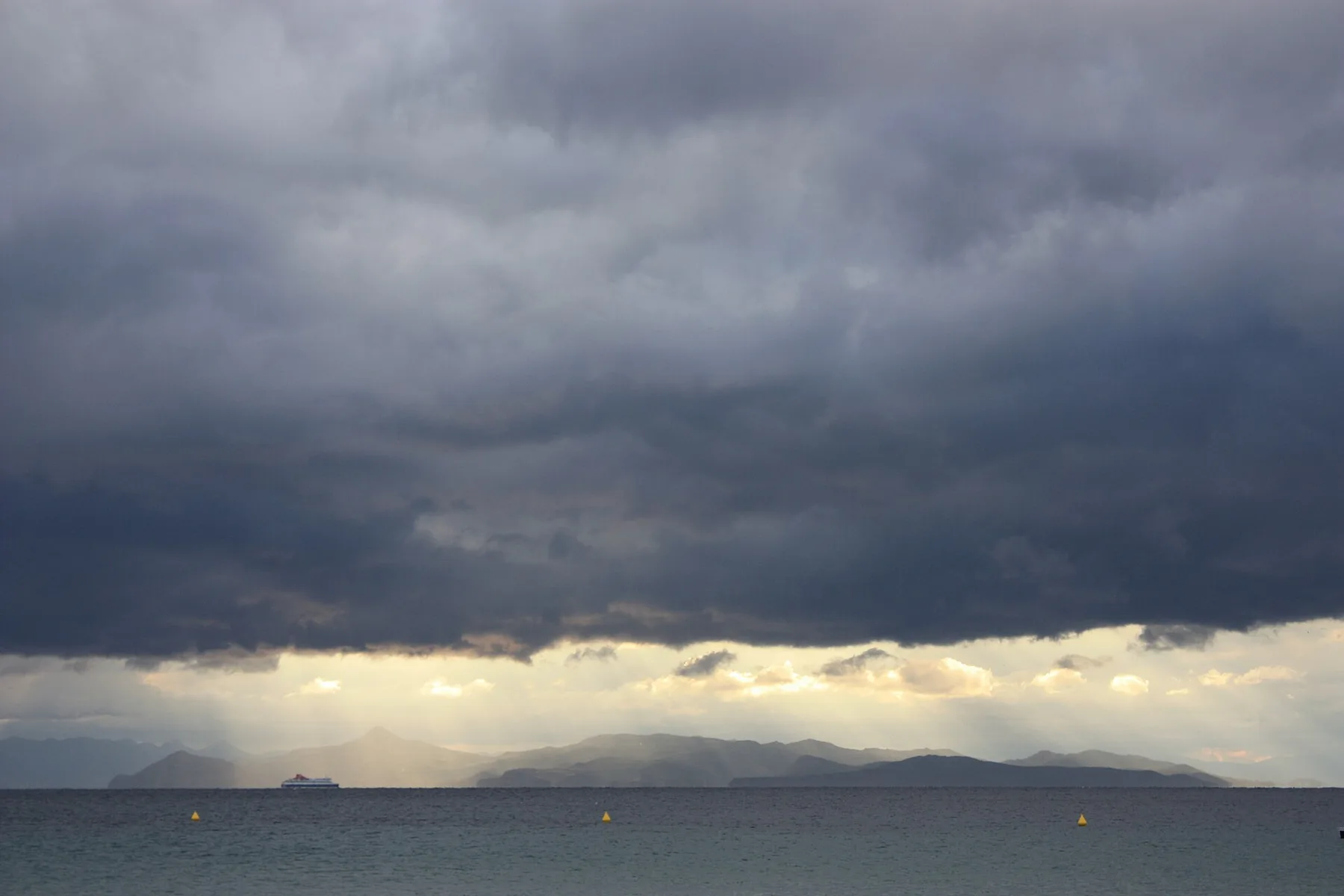
Charter with 1852 Private Boat Tours from Glyfada’s second marina. For most parties, an Aegina and Moni programme gives the best balance of cruising, swimming and time ashore. A more ambitious route to Hydra can consume too much of a single day, while Cape Sounion is already covered by road. The captain should be free to replace the planned route with sheltered Riviera coves or a Sounion course when wind and sea state require it.
Insist that the proposal names the exact yacht, model year, licensed crew, maximum cruising party, shaded seating, swim access and bathroom arrangement. The quote should state fuel, taxes, marina charges, towels, drinks, food and cancellation conditions. Ask for a simple lunch of excellent produce, chilled fruit and seafood, or arrange a private chef when the vessel genuinely supports proper service. More elaborate catering is not always better on a moving boat.
Leave around 09:30 rather than at dawn, and plan to return before the late-afternoon marina congestion. Bring reef-safe sun protection, a light wind layer and any motion medication recommended by a clinician. Keep dinner flexible at the hotel. A yacht day followed by a fixed multi-course reservation turns leisure into logistics.
Day 7: Cape Sounion at the right hour
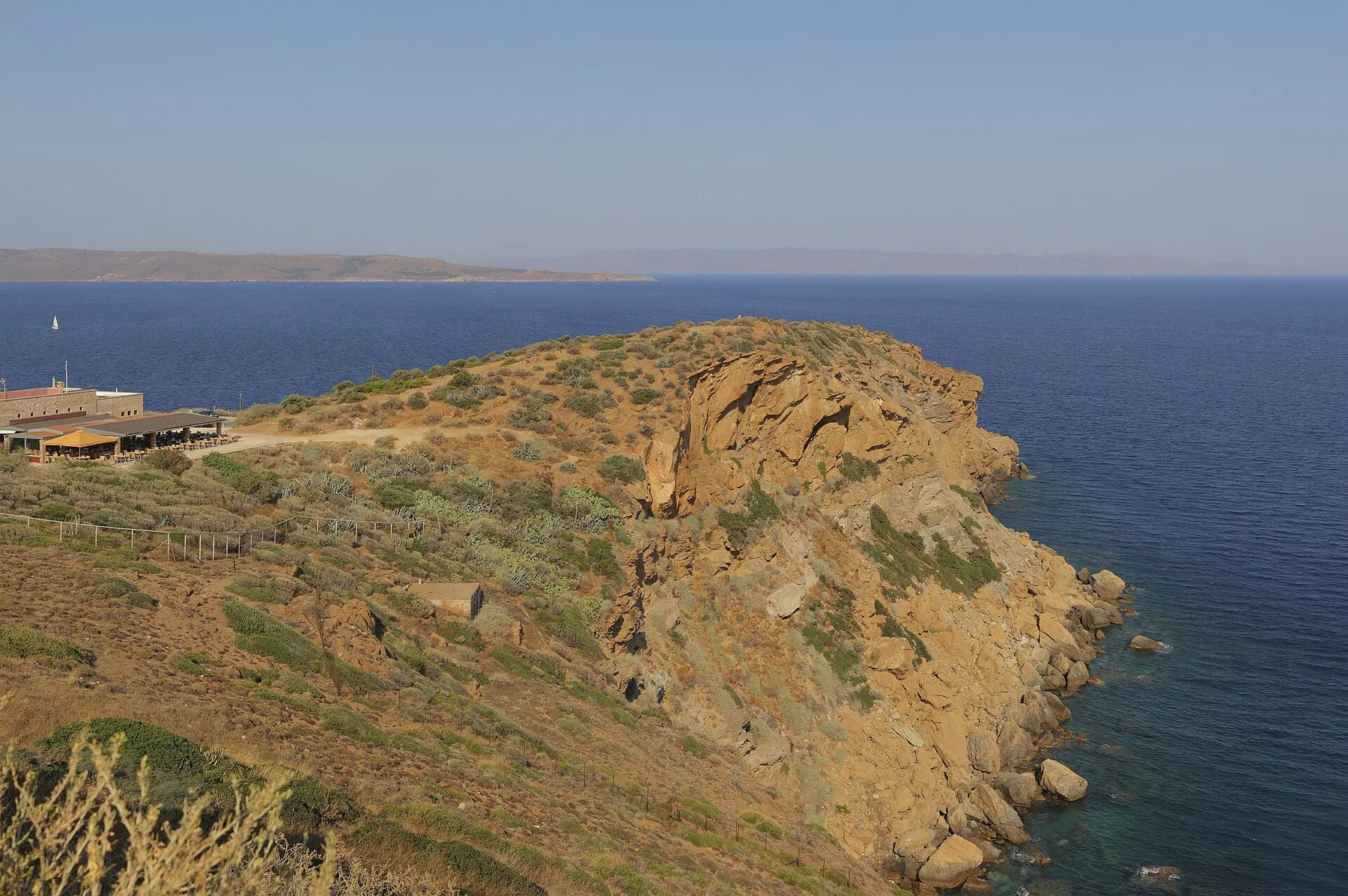
Keep the morning completely open: beach, pool, a private training session or nothing. After a light late lunch, depart with a licensed archaeologist-guide and chauffeur for the coastal drive to the Temple of Poseidon at Sounion. Leaving the Riviera roughly two and a half to three hours before sunset usually creates enough margin for traffic and an unhurried visit, but official closing times—not a generic sunset table—must determine the plan.
Ask the guide to begin before the final visitor surge, explaining the sanctuary’s maritime position and fifth-century architecture while the site can still be read clearly. Then step back and let the headland change with the light. The cape is exposed to wind and summer heat, and closures can be imposed for safety. Secure footwear and a flexible driver are essential; a pre-paid dinner in central Athens is not.
Return to the Riviera for a late, simple supper. The alternative is an overnight at Cape Sounio, whose bungalow setting looks back towards the temple. Make that move only if the party wants another beach morning and the flight or onward transfer is late. For most eight-day journeys, remaining at Four Seasons or One&Only preserves continuity and reduces luggage handling.
Day 8: Departure without anxiety
Keep the final morning free and arrange a private airport transfer with a conservative traffic buffer. The Riviera can be close to Athens International Airport in light traffic, but summer roads and incidents are not predictable. For an intercontinental flight, let the hotel concierge and airline guidance set the departure rather than relying on an advertised drive time.
If the flight leaves late, request a confirmed late checkout, a day room or guaranteed spa-changing access before travel. Avoid adding a final museum or cross-city lunch. A swim, an early terrace meal and a clean transfer are a more coherent ending.
The concierge brief to send before arrival
- Hotels: exact room priorities, privacy, outlook, bedding, connecting needs, steps, early arrival and late-departure plan.
- Access: official Acropolis confirmation, named licensed archaeologist, admissions, mobility route and heat contingency.
- Dining: all allergies and dietary limits, preferred pacing, indoor or outdoor table, celebration details and transport.
- Yacht: exact vessel and crew, all-inclusions quote, weather decision time, route alternatives, food, shade and swim access.
- Ground travel: one lead transport contact, flight monitoring, child seats where required, cold water and realistic buffers.
- Privacy: tell every supplier whether discretion, photography restrictions or security coordination is required.
Finally, allow the programme to change. Restaurant service days, archaeological hours, yacht conditions and summer heat rules move independently of even the best planning. The right luxury operator does not promise that weather and public authorities will cooperate; they monitor, communicate and replace a compromised plan with a better one.