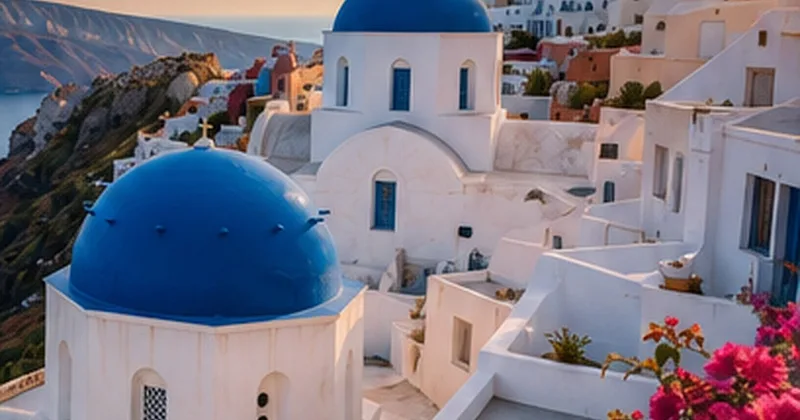


A journey worth taking slowly
This route is not a list of every ruin in Greece. It is a journey through the places that change the story: the civic spaces of Athens, the oracle at Delphi, the shared games at Olympia, a city built after freedom from Sparta, the late Byzantine afterlife of Laconia, and the Bronze Age centres of the Argolid. Seventeen days gives those places time to become distinct rather than merging into a sequence of stones and ticket offices.
The shape of the route
Spend three nights in Athens without a car, two at Delphi, two at Olympia, three in Kalamata, two near Mystras and four in Nafplio. Collect the vehicle only when leaving Athens and return it before the final city traffic becomes part of the holiday. The loop runs clockwise, using the Rio–Antirrio bridge to move from Central Greece to the western Peloponnese, then turns east through Messinia and Laconia to the Argolid.
The route covers about 1,120 kilometres once local excursions are included. That number understates the effort: Bassae, Delphi and Mystras involve mountain roads or steep walking, while the sites themselves add many kilometres on foot. One major archaeological complex per day is the normal limit. A second, smaller site works only when it completes the same story.
Booking order: reserve the Athens and Nafplio hotels first, then the exact rental category and one-way or city-edge collection point, followed by Delphi and Olympia rooms. Check official opening days for every site. Book a licensed guide in Athens, Delphi, Olympia and the Argolid where interpretation matters most; no guide should promise access outside official rules.
Days 1–3: Athens before the car
Use the first day for arrival and an ordinary neighbourhood walk. On Day 2, visit the Acropolis of Athens at the earliest timed entry, continue to the Acropolis Museum and stop. The hill is exposed and the museum is substantial; adding the Agora before lunch makes both visits shallower. Reserve a licensed archaeologist-guide and ask for a pace adjusted to the party’s mobility.
Day 3 belongs to the working city. Begin at the Ancient Agora, where the Stoa of Attalos museum, council buildings and Temple of Hephaestus reveal politics beyond the Acropolis. After lunch and a real break, walk through Kerameikos. Its gates, cemetery and beginning of the Sacred Way introduce the following day’s move to Eleusis.
For the central stay, Hotel Grande Bretagne offers formal service and easy transport logistics, while The Dolli at Acropolis is smaller and closer to the ancient core. A good-value alternative is Athens Capital Hotel. Eat one serious dinner—perhaps Soil—and keep the night before departure simple.
Day 4: Eleusis and the road to Delphi
Collect the car from a location with a clean motorway exit. A compact automatic is easier in towns, while enough boot space to conceal every bag matters more than an upgrade badge. The first stop is the Archaeological Site of Eleusis, destination of the Sacred Way and home of the mysteries of Demeter. Its modern industrial context makes the ancient sanctuary more, not less, thought-provoking.
Continue around rather than through central Athens and aim to reach Delphi before dark. The final approach bends across mountain terrain and should not be driven tired. Amalia Hotel Delphi is practical for parking and space; Pitho and Kastalia Boutique Hotel place guests closer to the village centre. Ask for parking instructions before arrival.
Day 5: Delphi gets the whole day
Enter the Archaeological Site of Delphi at opening and climb the Sacred Way before the strongest sun. The Treasury of the Athenians, Temple of Apollo and theatre need the surrounding cliffs and valley to make sense. Continue to the stadium only if it is open and everyone has the legs for the extra ascent.
Visit the museum after a pause, not as a rushed appendix. The Charioteer, architectural sculpture and dedications explain how communities competed for attention at a shared sanctuary. Late afternoon is for the lower sanctuary of Athena Pronaia or rest. Do not add Hosios Loukas, Arachova shopping and Galaxidi simply because they appear close on a map.
Day 6: Delphi to Olympia
This is the long transfer. Descend towards the Gulf of Corinth, pass Galaxidi and Nafpaktos, cross the Rio–Antirrio bridge and continue south. Allow four to five hours of driving before breaks and traffic. Choose one waterfront lunch, refuel before the final section and arrive at Olympia in daylight.
Europa Hotel has the strongest resort-style recovery and useful parking. Olympion Asty offers another spacious base, while Leonidaion Guest House suits travellers who value a simpler village stay. Do not put a non-refundable dinner against the arrival time.
Day 7: Olympia beyond the stadium
The Archaeological Site of Olympia needs a full morning. Enter early and read it as a sanctuary before a sports venue: temples, treasuries, administrative buildings and the workshop of Pheidias lead towards the stadium. Never race on fragile ancient surfaces or treat the starting line as playground equipment.
After lunch, visit the archaeological museum for the Temple of Zeus pediments, Nike of Paionios and bronze collection. The Museum of the History of the Olympic Games is worthwhile only if attention remains. Keep a hotel pool or slow village walk as the alternative. Archaeological fatigue is real, and another meaningful hour tomorrow is more valuable than collecting a fourth museum today.
Day 8: Bassae, Messene and Kalamata
This is the route’s ambitious hinge and should be simplified in poor weather. Leave early for the Temple of Apollo Epicurius at Bassae. Its mountain road is slow, the sanctuary sits under a protective canopy, and access must be checked before departure. The isolation is central to the experience.
Continue towards Ancient Messene. If arrival leaves fewer than three hours before closing, postpone the site to Day 9 and drive directly to Kalamata. Messene is too extensive for a token circuit. Reach Kalamata before dark and park at the accommodation rather than navigating the central grid repeatedly.
Days 9–10: Ancient Messene and a necessary pause
Use Day 9 for Messene if it was not visited properly. Begin with the museum, then descend through the Asklepieion towards the stadium and gymnasium. The uphill return, sun and sheer scale make three hours a minimum. Lunch in the modern village allows the landscape to settle before the drive back.
Day 10 is intentionally light: Kalamata’s market, waterfront, castle area or a swim according to season. Stay at Grand Hotel Kalamata for the centre and marina, Pharae Palace for the seafront, or The Residences Kalamata for more independence. The rest day protects the quality of every site that follows.
Days 11–12: Mystras and Sparta
Drive across the Taygetos route only in suitable conditions; live navigation and local advice take precedence over a scenic-road promise. Base for two nights near Mystras. Although the city is Byzantine rather than ancient, it is the route’s essential reminder that Greek history did not end when Rome arrived.
Start Mystras at opening. If practical, arrange to be dropped at the upper gate and collected below, avoiding a punishing return climb. Frescoed churches, houses and the palace deserve three to four hours. Mazaraki Guesthouse is an intimate village base; Mystras Grand Palace provides more extensive facilities.
On Day 12, spend a measured hour at the Ancient Sparta Acropolis and continue to the archaeological museum. The modest remains are historically useful precisely because they challenge expectations of a monumental militarised city. Leave the afternoon open or use it for the Olive Museum. Do not drive to Monemvasia merely to add another famous name.
Day 13: Mycenae and the move to Nafplio
Drive northeast and make the Archaeological Site of Mycenae the day’s main event. Visit the museum, pass the Lion Gate, climb the citadel and stop separately at the Treasury of Atreus. This sequence needs at least two and a half hours. The ground is steep and exposed, with smooth stone underfoot.
Continue to Nafplio for four nights and park outside the tight old town. Grand Sarai Nafplio and 3Sixty Hotel & Suites place guests inside the historic centre; Amalia Hotel Nafplio is easier for drivers and lies close to Tiryns. Choose location or car convenience consciously.
Day 14: Tiryns and Nafplio
Spend the morning at the Archaeological Site of Tiryns. Its corbelled galleries and immense walls make Mycenaean engineering clearer after Mycenae, while the low ridge and quieter atmosphere create a very different encounter. One focused hour is enough for most visitors.
Return the car to the hotel parking and give Nafplio the rest of the day. Walk the waterfront, visit the archaeological museum if energy allows and see Palamidi from below before deciding whether another climb is sensible. The route needs living towns as well as ruins.
Day 15: Epidaurus as a healing sanctuary
Drive early to the Sanctuary of Asklepios at Epidaurus. Begin with the theatre, then continue into the healing sanctuary, stadium and museum. Testing the acoustics by shouting degrades everyone else’s visit; a guide can demonstrate the theatre without turning it into a stunt.
Have lunch towards the coast and return to Nafplio by mid-afternoon. Summer performance days require extra traffic and access planning. Families can replace part of the archaeological circuit with a swim, while adults should avoid attaching another fortress or museum to the return.
Day 16: A buffer day in the Argolid
This day absorbs heat, a closure or simple fatigue. Use it for anything shortened earlier: the Nafplio museum, Argos, a beach, or a second slow look at the town. A seventeen-day road trip becomes genuinely luxurious when one day is not already spent on paper.
If every major visit ran smoothly, take a half-day boat outing or remain in Nafplio without the car. Check the next morning’s Nemea and Corinth hours, refuel and pack so no luggage is visible during the final site stops.
Day 17: Nemea and Corinth on the return
Leave Nafplio early for Ancient Nemea. Visit the sanctuary museum and Temple of Zeus, then drive to the separate stadium. If a winery is added, book one tasting, eat lunch and ensure the driver does not drink.
Continue to Ancient Corinth for the Temple of Apollo, museum and Roman forum. Acrocorinth requires another steep, exposed visit and should be omitted unless the party has time and energy. Return the car outside central Athens. Do not attach this multi-stop day to an international flight; add a final airport night if departure timing requires it.
Driving, heat and accessibility
Carry the licence and documents required for the rental, photograph the car at collection and clarify toll equipment, roadside assistance and cross-region restrictions. Never leave passports or bags visible at a site. Fuel before mountain legs and download offline maps, while still following signs and closures over an app’s shortcut.
From June through September, enter exposed sites at opening, rest through midday and reduce the number of stops. Site authorities can close monuments during extreme heat, fire risk, wind or conservation work. Stone paths at Delphi, Mycenae and Mystras are steep; Bassae is remote; Olympia and Messene cover long distances. Contact the competent site before travel with specific mobility questions, because “accessible” is not one condition across an archaeological landscape.
Why the route ends where it began
Returning to Athens after Corinth closes the historical and geographic circle. The Agora looks different after Olympia’s shared sanctuary, Delphi’s dedications and the planned cities of the Peloponnese. Mycenae no longer feels like a prologue to classical Athens, and Mystras prevents the ancient world from becoming an isolated golden age.
The ultimate road trip is not the one that visits the most sites. It is the one that preserves the difference between them. Give the major complexes a morning, the museums attention, and the roads enough daylight. Leave one day empty. Ancient Greece becomes more intelligible when the journey allows uncertainty, landscape and ordinary modern life to remain in the frame.
Driving notes
Build in time for unplanned stops, refuel before mountain stretches, and avoid driving after dark on unfamiliar rural roads.